

Few appliance categories have disrupted kitchen planning conventions as significantly as the induction hob with integrated extractor. By combining two major kitchen appliances – the cooking surface and the ventilation system – into a single unit, these products eliminate the overhead hood entirely, fundamentally changing the spatial and visual possibilities of kitchen design.
The Design Freedom It Creates
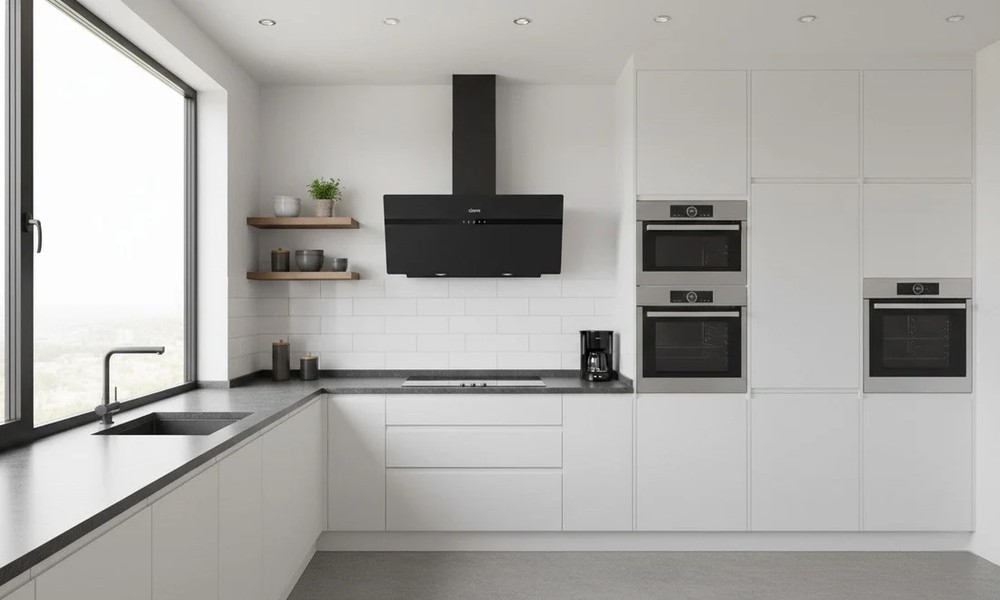
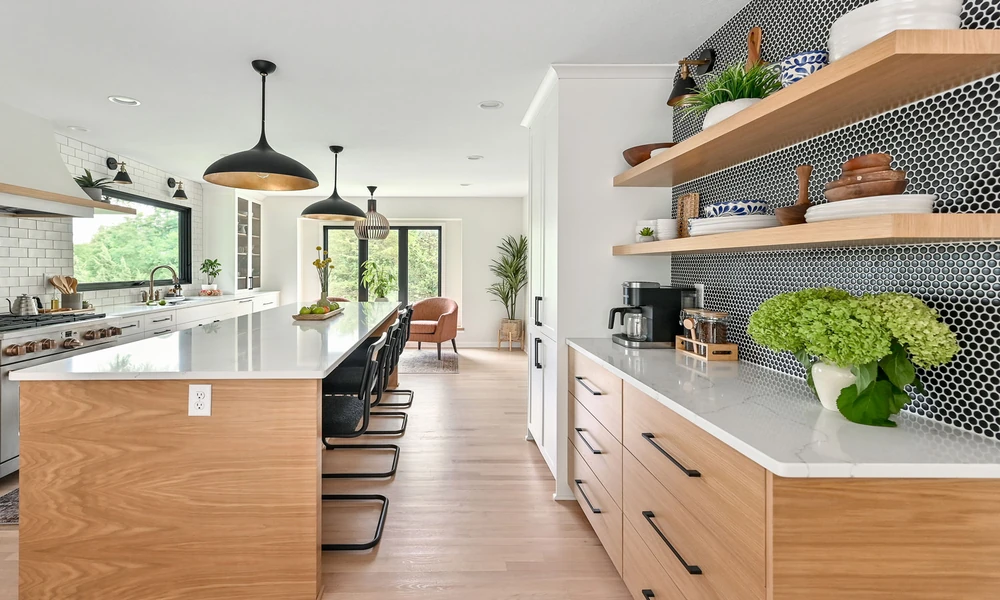
Removing the overhead hood from a kitchen opens up cabinetry space above the hob that would otherwise need to be left clear or occupied by the hood itself. This space can be used for additional storage, open shelving, or left uninterrupted to maintain a cleaner sightline – particularly valuable in open-plan kitchens where the cooking area is visible from living and dining spaces. The best induction hob with integrated extractor solutions deliver this design freedom without compromising on either cooking or extraction performance.
How Downdraft Extraction Works
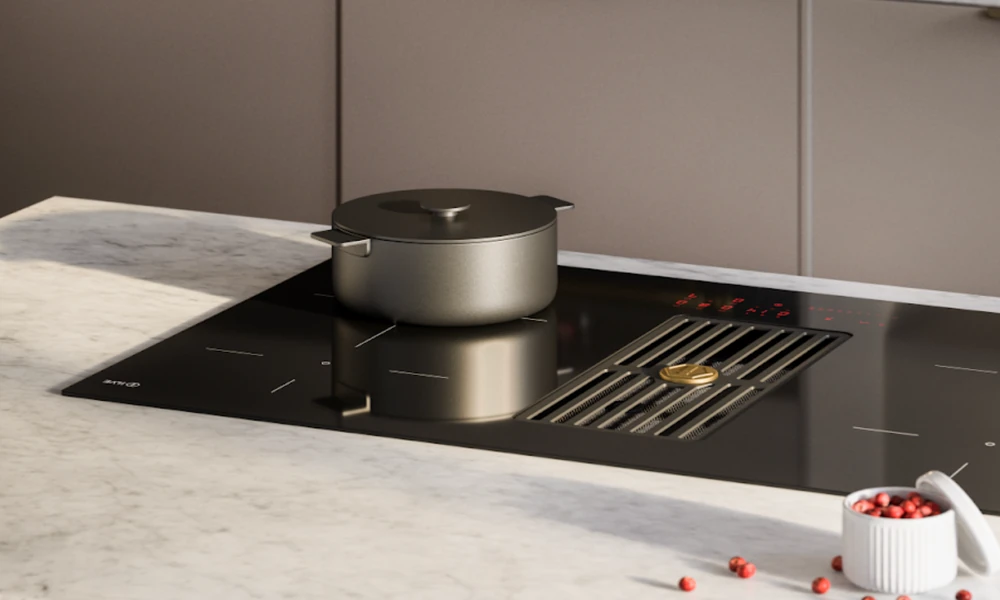
Integrated extractor hobs use a downdraft system – drawing cooking vapours downward through the hob surface rather than upward into an overhead hood. This approach captures steam and grease at the source, close to the pan, before it has the opportunity to rise and spread through the kitchen. The air is channelled through filters and either recirculated or exhausted externally via ducting routed below the worktop.
Suitable Kitchen Configurations
Integrated hob-extractor combinations are particularly well suited to island installations, where the absence of any overhead structure maintains open sightlines between the kitchen and surrounding living areas. They also suit low-ceilinged spaces where an overhead hood would feel visually heavy or where ceiling height makes conventional hood installation impractical.Specialist appliance brands like Ciarra One have developed integrated extraction hob ranges specifically designed for both island and peninsular kitchen configurations, with extraction specifications and design options suited to different kitchen scales and styles.
Planning Ahead
Integrated extractor hobs require more upfront planning than conventional separate appliances. Duct routing, underfloor or worktop penetrations, and motor placement all need to be addressed during the kitchen design phase. Working with an experienced kitchen designer or installer who has experience with integrated extraction systems ensures the technical requirements are addressed before installation rather than resolved as afterthoughts.
Long-Term Ownership
Grease filters in integrated hobs need regular cleaning – their proximity to the cooking surface means they accumulate grease more quickly than overhead filters. Most are dishwasher-safe, which simplifies maintenance. Carbon filters for recirculating configurations should be replaced on schedule. With consistent maintenance, integrated extractor hobs deliver reliable long-term performance and continue to justify the premium over separate appliance configurations.