

Worried about damp? get a damp survey now before winter sets in properly. As the crisp air of autumn settles over Merseyside, homeowners find themselves bracing for the inevitable chill of winter. Yet, amidst the flurry of preparations, a silent threat often lurks unnoticed: damp.
Ignoring this can lead to catastrophic problems, from structural damage to health hazards. It’s vital to address damp issues now, rather than regret it when winter’s icy grip takes hold. But why exactly is conducting a damp survey before winter so crucial?
Important Information Concerning damp problems
- Understanding different types of damp can help in identifying and resolving issues effectively
- Early detection via a damp survey can prevent costly repairs and health risks
- Ignoring damp can lead to severe structural damage and increased repair costs
- Visual signs like peeling paint and mould are early indicators of damp problems
- Regular maintenance and professional help can keep damp issues at bay
- Structural waterproofing and trickle vents many help with condensation on windows or walls
- Washing and Drying Clothes Indoors When it starts to rain can cause ongoing problems
Understanding Damp: What Every Homeowner Should Know
Damp can manifest in homes in various ways, each demanding a unique approach to remedy. Rising damp is a common issue, originating from the ground and slowly creeping upwards through the structure. It typically results in stained walls and peeling paint, as moisture travels through the building’s fabric.
On the other hand, penetrating damp is usually caused by water breaching the outer walls of a home, often due to structural defects or poor maintenance.
Condensation damp arises from excess moisture in the indoor air, often exacerbated by inadequate ventilation and heating. It’s essential for homeowners to understand that each type of damp condition requires a different solution. Ignoring these moisture issues can compromise your home’s structural integrity and indoor air quality, making it crucial to identify the source of moisture and address it promptly.
Common Signs of Damp in Your House
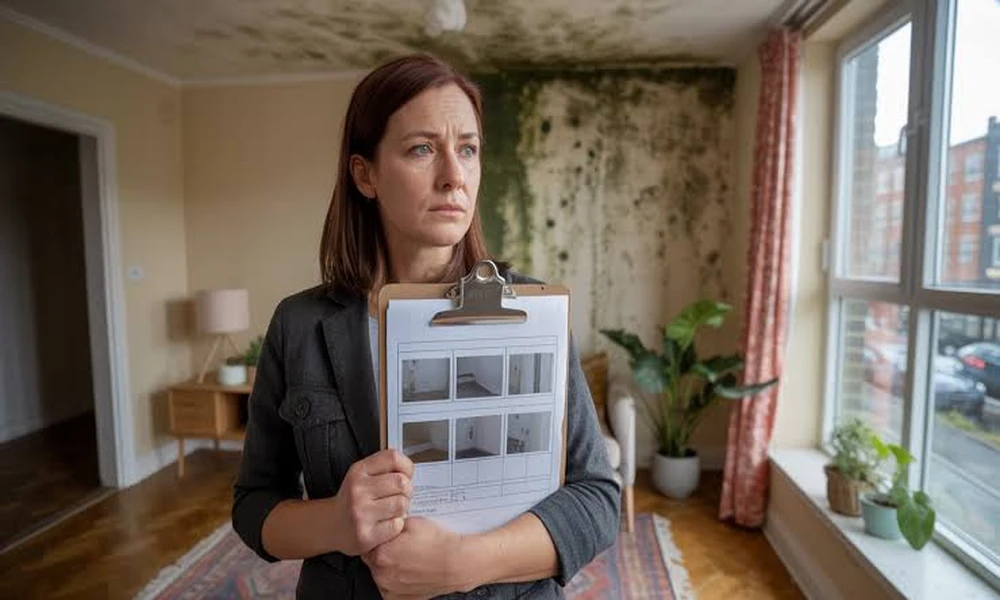
Spotting the early signs of damp can save you from future headaches. Look for damp patches on walls or ceilings, often a tell-tale sign that moisture is seeping into areas it shouldn’t. Mould growth is another red flag, usually appearing in corners or near windows where condensation is prevalent.
Issues Many landlords miss When Carrying Out a Damp and Mould Inspection
This not only affects your home’s aesthetics but also indicates deeper moisture issues that need immediate attention.
Keep an eye on condensation on windows, which might hint at poor ventilation. Peeling paint or bubbling wallpaper are more obvious signs, suggesting that damp has already started to damage your walls. By recognising these signs early, you can tackle moisture problems before they escalate into severe structural damage.
The Importance of a Damp Survey Before Winter
With winter approaching, it’s crucial to contact a local Merseyside Damp Proofing Specialist and get a damp survey now before the cold sets in properly. A thorough damp inspection by a qualified surveyor can reveal hidden issues that might be lurking within your walls. By conducting a house survey, you can pinpoint problem areas and take corrective action before the temperature drops.
A damp survey is not just about identifying current issues. It provides a comprehensive overview of your property’s condition, highlighting potential risks and areas that might require attention.
Engaging a surveyor now can save you from the chaos of unexpected repairs during the colder months, ensuring your home remains warm and dry throughout winter.
Benefits of Conducting a Damp Survey Early
Conducting a damp survey early offers several advantages. For one, it often identifies issues before they worsen, allowing you to address them promptly.
Early detection generally results in significantly reduced repair costs, as minor problems are far easier-and cheaper-to fix than extensive damage. Moreover, planning repairs at a convenient time rather than during the deep freeze of winter provides considerable peace of mind.
A thorough check offers more than just financial benefits. Knowing that your home is prepared for winter’s challenges can reduce anxiety, allowing you to enjoy the season without worry. The damp survey report serves as a roadmap to prevention, ensuring that you tackle potential issues before they disrupt your home life.
The Risks of Delaying a Damp Survey and damp proof course
Delaying a damp survey could lead to dire consequences. Ignored damp often results in severe structural damage, which not only compromises your home’s safety but also leads to expensive repairs. The longer you wait, the more repair costs can escalate, putting an unnecessary strain on your finances.
Moreover, persistent damp issues often increase health risks, with mould growth posing a significant threat to respiratory health.
Heating and ventilation issues can exacerbate problems.
As damp problems persist, they can lead to more extensive mould growth, exacerbating allergies and other health conditions. Avoiding delays in addressing these issues is crucial for maintaining a healthy and safe living environment.
Visual Signs: Peeling Paint and Mould
Many homeowners, homebuyers and landlords miss the tel tale signs of damp especially in kitchens and bathrooms. Thing damp is merely a little condensation is a mistake homeowners, builders and a prospective buyer often make when detecting damp on windows and doors.
Peeling paint is often a clear indicator of underlying damp problems. When paint starts to blister and peel from walls, it’s usually a sign that moisture has penetrated the surface, leading to deterioration. Mould growth, especially in corners or along edges, signals excess moisture in specific areas, often due to poor ventilation or leaks.
Discoloured patches on walls are common signs of dampness, suggesting that moisture is settling on surfaces and leading to damage. If you notice bubbling wallpaper, it might indicate hidden damp issues, as water gets trapped behind the wall coverings. Regularly inspecting your ceilings and walls for these signs can help you catch damp concerns early and prevent further deterioration.
Smell and Air Quality Issues
A musty odour often accompanies hidden damp, serving as an invisible but unmistakable clue. This smell usually indicates poor indoor air quality, which can affect comfort and health. Dampness often leads to poor ventilation, trapping excess moisture and creating an environment where mould thrives.
Persistent humidity suggests a damp problem, making the air feel heavy and uncomfortable. Investing in dehumidifiers and conducting an assessment of ventilation can help manage excess moisture, keeping your home’s air fresh and breathable. Addressing these issues is essential to maintaining a healthy living space during the damp and cold winter months.
A Home and Property blog often lists the sign of damp to watch out for.
Health Implications of Ignoring Damp
Ignoring damp can have serious health repercussions. Mould spores often exacerbate asthma and allergies, particularly in vulnerable groups like children and the elderly. Prolonged exposure to mould growth deteriorates indoor air quality, leading to respiratory issues and increasing the risk of infections.
Damp environments can be breeding grounds for bacteria and other pathogens, further compounding health risks. Addressing damp issues sooner rather than later is not only about preserving your property but also about safeguarding your family’s health. Reducing damp conditions ensures that your home remains a safe haven, free from potential health hazards.
Impact on Your Home’s Structure and Walls
Damp often wreaks havoc on your home’s structure, weakening walls and leading to cracks and instability. Over time, timber decay can affect structural timbers, compromising the integrity of your building. Persistent damp not only damages walls and floors but can also result in irreversible damage, significantly reducing your property’s value.
As damp progresses, it can affect roof coverings and other critical components, further undermining your home’s structural integrity. Addressing these issues promptly is vital to maintaining your property’s condition and avoiding costly repairs down the line.
How a Damp Surveyor Detects Hidden Damp
A damp surveyor uses various techniques to detect hidden damp, ensuring a comprehensive inspection. Moisture meters are often employed to identify damp in walls and floors, providing accurate readings of moisture levels. Infrared cameras can detect temperature variations caused by damp, offering a non-invasive way to assess problem areas.
Professionals also check for signs of condensation and ventilation issues, often looking for hidden leaks that may cause damp. By employing these techniques, a qualified surveyor can provide a detailed assessment of your property, helping you address damp issues effectively.
Questions to Ask Your Damp Specialist
When engaging a damp specialist, it’s crucial to ask the right questions to ensure a thorough damp check. Enquire about the specific types of damp they will check for and their experience with properties similar to yours. Request a detailed report outlining their findings, which can provide valuable insights into the condition of your home.
Clarify any recommendations they make for addressing damp, and discuss potential damp treatments that might be necessary. By understanding the survey process, you can make informed decisions about maintaining your home’s health and integrity.
The Damp Survey Cost: What to Expect
Understanding the financial aspect of a damp survey can help you plan accordingly. Survey costs often depend on your property’s size and condition, with fees varying based on the complexity of the inspection. Detailed reports usually provide a comprehensive breakdown of findings, helping you understand the extent of any issues.
Homeowners should budget for possible repairs following the survey, as addressing damp issues early can prevent more costly problems later. Investing in a survey is a cost-effective way to protect your home’s value and ensure a safe, dry environment.
Preventing Condensation in Your Home
Preventing condensation is an integral part of managing damp in your home. Adequate ventilation often prevents condensation build-up, reducing the risk of mould growth and damage. Using dehumidifiers can help maintain optimal indoor humidity levels, keeping your air fresh and comfortable.
Regularly opening windows improves air circulation, while insulated walls and ceilings can reduce condensation risks by preventing cold spots where moisture might settle. Implementing these prevention methods can help you maintain a healthy, dry environment even in the coldest months.
Tips for Maintaining Dry Walls and Surfaces
Keeping your walls and surfaces dry is essential for preventing damp-related issues. Regularly checking for signs of damp, such as peeling paint or bubbling wallpaper, can help you catch problems early. Implementing waterproofing and damp proofing measures can provide additional protection, safeguarding your walls from moisture intrusion.
Routine maintenance is key, with regular inspections and repairs helping to maintain the integrity of your home. By staying proactive, you can ensure that your walls remain dry and your property remains in top condition.
Long-term Strategies to Keep Damp at Bay
Implementing long-term strategies can help you keep damp at bay and maintain your home’s health. Regular maintenance prevents damp from developing, with simple measures like keeping gutters clear to avoid water overflow and penetration. Waterproofing your home provides additional protection against moisture, ensuring that your property remains resilient to damp challenges.
Regular checks and repairs are crucial, helping you address issues before they escalate. By focusing on prevention strategies, you can future-proof your home, maintaining its value and condition for years to come.
DIY Solutions vs. Professional Help
When dealing with damp, it’s important to know when to seek expert assistance. Minor condensation issues often resolve with simple DIY measures, such as improving ventilation or using dehumidifiers. However, persistent damp problems usually require professional intervention, as they might indicate more serious underlying issues.
Experts provide a more comprehensive and long-lasting solution, leveraging their experience and tools to address damp effectively. While DIY solutions can be tempting, a professional’s expertise often saves time and resources in the long run, ensuring quality results and peace of mind.
In conclusion, ignoring damp can lead to a cascade of problems, from structural damage to health risks. Conducting a damp survey before winter is a proactive step that can save you from these challenges, ensuring your home remains safe, dry, and comfortable. So, will you take the plunge and get your home checked, or risk the potential pitfalls of damp this winter?
Frequently Asked Questions
What to do if a survey shows damp?
If your survey reveals damp, don’t panic! First, identify the type and cause of the damp. This could be rising damp, penetrating damp, or condensation. Next, consult a professional to assess the severity and discuss potential solutions. Depending on the issue, you might need to improve ventilation, repair leaks, or install a damp-proof course. Acting promptly is essential to prevent further damage and maintain your home’s value. Consider getting multiple quotes to ensure you receive the best service and price for your situation.
How long should a damp survey take?
A typical damp survey generally lasts between one to three hours. The duration largely depends on the property’s size and complexity. A professional surveyor will thoroughly inspect both the interior and exterior, checking walls, floors, and ceilings for signs of damp. They may also use specialised equipment to detect moisture levels. It’s crucial not to rush the process, as a comprehensive survey will provide you with a detailed understanding of any issues, ensuring you can take the necessary steps to address them before winter sets in.
Is it worth getting a damp survey?
Absolutely! A damp survey is a wise investment, particularly before winter. Identifying damp issues early can save you from more costly repairs down the line. Damp can lead to structural damage, reduce your property’s value, and even cause health issues like respiratory problems. A survey provides peace of mind, ensuring your home is safe and comfortable. It also equips you with the information needed to make informed decisions about necessary repairs, potentially saving money and preventing headaches in the future.
Who pays for a damp survey, buyer or seller?
The responsibility for paying for a damp survey typically falls on the buyer, as they are the ones most interested in knowing the property’s condition. However, in some cases, particularly in a competitive market, a seller might choose to commission a survey to reassure potential buyers of the property’s condition. It’s always a good idea for buyers to negotiate with the seller, especially if damp issues are discovered, as this could potentially lead to adjustments in the sale price or repair contributions.