

A clean kitchen feels pleasant. Fresh air improves daily cooking. Good ventilation removes unwanted odors. It also reduces grease buildup. Many homeowners compare hood designs. Both options offer useful features. However, ventilation performance often matters most. Kitchen size also affects results. Cooking habits influence the choice. Understanding each design helps greatly. So, selecting the right hood becomes easier. A well-matched system creates a comfortable cooking space.
Design and Airflow Performance
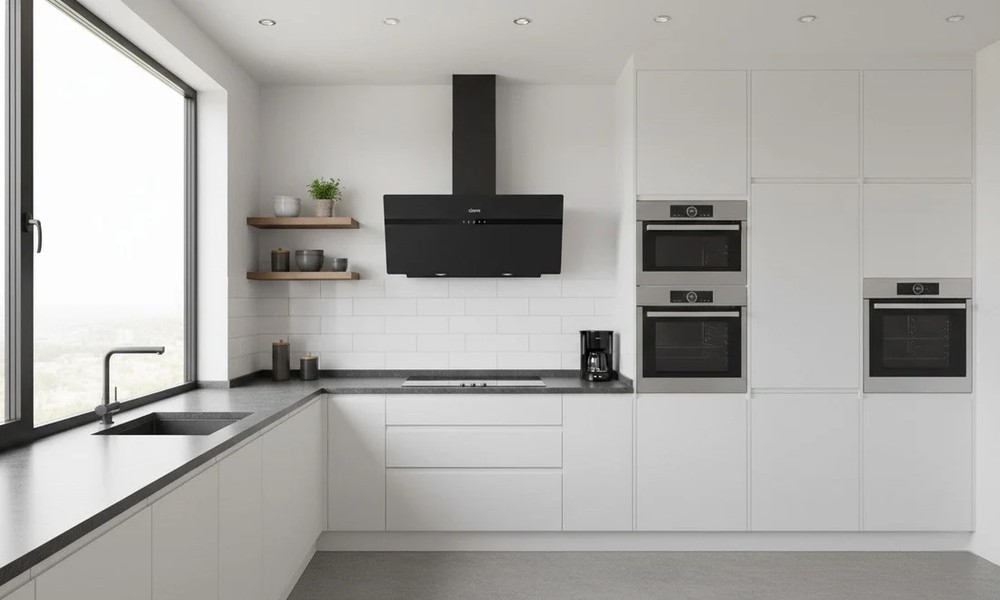
An angled cooker hood offers a modern appearance. Its slanted shape saves space. Many users enjoy better visibility. The design keeps the head clear. Cooking feels more comfortable. Air enters through a focused path. This helps capture rising fumes quickly. Traditional hoods use a flat structure. They cover a wider area. Sometimes this improves smoke collection. Airflow efficiency depends on placement and motor strength. Both designs can perform well under suitable conditions.
Ventilation Efficiency During Cooking
Cooking creates steam and grease. Strong extraction becomes important. Traditional hoods often sit directly above cookware. This position supports steady airflow. Vapors move upward naturally. The hood captures them effectively. Angled models work differently. They pull air from the front. This creates efficient extraction. Many advanced models provide powerful suction. However, installation height remains important. Proper positioning improves overall ventilation performance. Therefore, both hood styles can maintain cleaner kitchen air.
Comfort and Everyday Convenience
Kitchen comfort affects daily routines. Traditional hoods sometimes feel bulky. Larger units occupy more space. Some users notice restricted movement. Angled designs improve accessibility. The sloped front creates extra room. Cooking tasks feel more relaxed. You can move freely nearby. The modern profile looks attractive. It blends with contemporary interiors. Comfort does not directly improve ventilation. But convenient use encourages regular operation. Regular use supports better air quality.
Technology and Energy Performance
Modern hoods include smart features. Advanced motors reduce energy waste. Quiet operation attracts many buyers. Sensors improve extraction control. The Ciarra One represents this trend. Innovative systems enhance user convenience. Efficient airflow remains a key focus. Traditional and angled designs now share similar technologies. Performance differences often become smaller. Product quality matters greatly. Reliable engineering supports effective ventilation. So, technology plays an important role in overall results.
Which Hood Delivers Better Ventilation?
The final choice depends on needs. Traditional hoods provide broad coverage. They perform well in many kitchens. Angled models offer efficient extraction. They also improve working comfort. Ventilation quality depends on installation, motor power, and kitchen layout. Both options can remove smoke effectively. Both can reduce cooking odors. Sometimes personal preference guides the decision. The best hood matches cooking habits. A suitable system creates fresher air. It also supports a cleaner kitchen environment. Careful selection delivers long-term satisfaction and dependable ventilation performance.