

A single glance at a modern kitchen often tells the story of how cabinet design has evolved from mere storage to center-stage artistry. What drives this transformation, and how do today’s choices shape the entire look and feel of contemporary homes?
Evolution of Kitchen Cabinets: From Tradition to Modernity
Kitchen cabinets were once defined by heavy woodwork, ornate details, and utilitarian function. Traditional shaker panels and intricate molding brought old-world charm, but they also dominated visual space. Many of these design elements still influence today’s kitchens, especially in transitional styles that blend heritage with innovation.
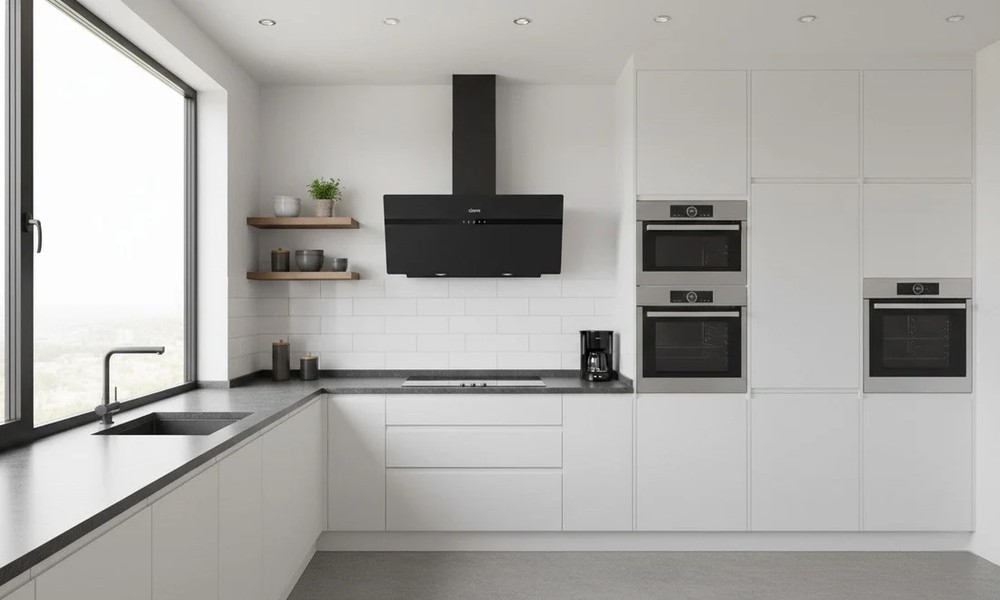
Over time, tastes shifted. The modern era ushered in a craving for simplicity, leading to minimalism and streamlined forms. Cabinet doors became flatter, hardware grew subtler, and color palettes went from warm wood stains to cooler whites, greys, and even bold tones.
Key Features Defining Modern Cabinet Designs
Contemporary cabinets stand out not only for their look, but for the materials and construction behind them. High-gloss lacquer, matte laminates, and textured surfaces now take precedence over traditional wood grain. These finishes provide both tactile variety and visual contrast, giving homeowners more freedom to personalize their space.
Hardware is another game changer. Sleek bar handles, handleless push-to-open systems, and integrated LED lighting all contribute to a futuristic vibe. Smart storage solutions, such as pull-out organizers and modular inserts, help maximize space without sacrificing aesthetics.
Customization is a hallmark of modernity. Modular systems allow designers and homeowners to mix and match cabinet sizes, finishes, and configurations, adapting to everything from narrow condos to expansive open-concept homes.
How Modern Cabinets Shape Contemporary Kitchen Styles
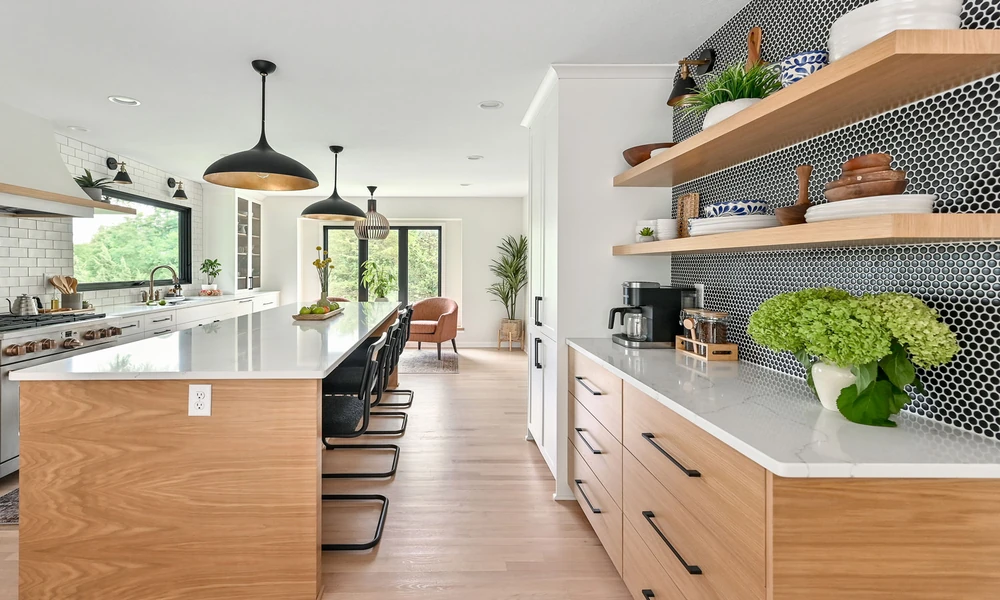
Open-plan kitchens thrive on the seamless integration of cabinets with the larger living space. Full-height cabinetry visually stretches the room, while floating shelves or glass-front doors add a touch of airiness. Clean-lined cabinets in neutral or high-contrast hues frame the space, letting islands and countertops shine.
Color has a psychological effect, too. Soft greys and whites create calm, while pops of navy, pale blue, or even saturated green express personality. The careful interplay of matte and gloss, along with subtle hardware, can make a kitchen feel warm yet unobtrusive.
Most importantly, modern designs never forget function. Deep drawers, hidden pullouts, and vertical dividers cater to everyday needs, ensuring that beauty does not come at the expense of practicality.
Case Study: The Elegant Espresso Kitchen – Timeless Modernity
Take the Elegant Espresso Kitchen as an example. Its simple lines and rich, dark finish evoke timelessness while fitting effortlessly into urban trends. The cabinetry uses sturdy materials and a minimalist profile, prioritizing clean visuals and easy maintenance.
Smart storage features like adjustable shelving and wide drawers offer flexibility, making organization almost automatic. Despite its upscale appearance, the price remains competitive, making it a favorite among families seeking both elegance and value.
Case Study: Milano White Gloss Kitchen – Embracing Trendy Minimalism
On the other end of the spectrum, the Milano White Gloss Kitchen radiates light and space. High-gloss doors reflect natural and artificial light, giving even small kitchens a sense of expansiveness. Sleek, modern hardware blends into the design, allowing the glossy surfaces to take center stage.
Homeowners love the simplicity of installation and the ease of cleaning, thanks to fingerprint-resistant finishes. Customer feedback consistently praises the ability of this kitchen to modernize older homes with minimal effort, demonstrating that trend-forward design can be both accessible and transformative.
Complementary Elements: Countertops and Bathroom Vanities in Modern Spaces
A kitchen’s impact is often amplified by its countertop choice. Granite and quartz are front-runners, offering durability and a sophisticated finish that pairs perfectly with modern cabinets. Their subtle patterns and vast color options link the kitchen’s style to adjoining spaces.
Bathroom vanities are also echoing kitchen trends, with sleek cabinetry, integrated sinks, and streamlined pulls. The result is a coherent visual language throughout the home, fostering a sense of unity between different rooms. Thoughtful coordination across cabinetry and surface selections is key for homeowners wanting a truly modern, harmonious space.
Choosing the Right Modern Cabinets: Quality, Price, and Service Insights
With so many options available, how do buyers identify quality? Look for robust construction, soft-close hinges, and water-resistant finishes. Comparing price points is also essential, as is factoring in the value offered per dollar. For those who prioritize speed and customer support, companies like Kitchen Wholesalers stand out for their quick delivery, direct consultations, and transparent service.
Planning Your Modern Kitchen Cabinet Project
Embarking on a kitchen renovation can feel overwhelming, but the right support makes a huge difference. Many suppliers offer complimentary consultations, helping homeowners understand layout options and material choices. Visiting a showroom brings designs to life and allows for expert guidance on color, texture, and configuration.
Before installation, accurate measurements are critical. Reputable brands usually provide user-friendly guides to ensure the process goes smoothly and the final kitchen is as stunning as envisioned.
From historic roots to futuristic flair, modern cabinet design is about more than just storage; it is about creating a kitchen that truly feels like the heart of the home.