


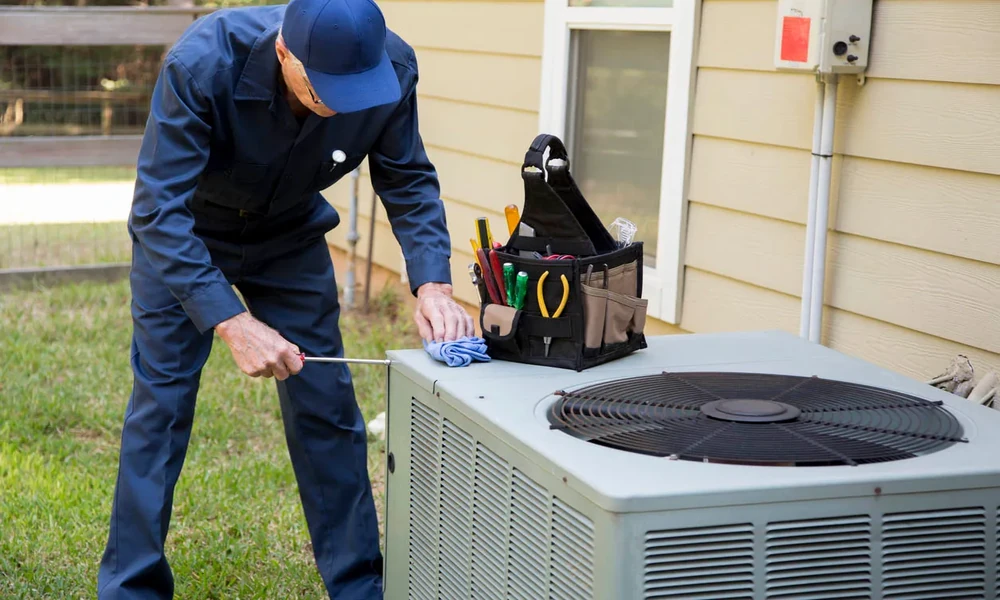
Homes across the Salt Lake Valley ask a lot of one heating and cooling system. Winter design temperatures on the valley floor sit in the single digits, July afternoons climb past 95 degrees, and the basin sits at roughly 4,200 to 4,500 feet, where thinner air changes how furnaces burn and how condensers shed heat. Many habits homeowners follow under that load come from neighborly rules of thumb rather than from how the equipment works.
When those rules of thumb start showing up as uneven rooms, rising bills or a furnace that clicks on and off all evening, a technician who looks at the whole system is worth more than another guess. Homeowners in South Jordan and nearby cities can call on heatyourheartoutllc.com, a local hvac company in Salt Lake County that handles heating and air conditioning repair and installation, for a straight answer on what their equipment needs and what it doesn’t. Booking before the first inversion keeps small issues from becoming January breakdowns.
Myth One: Bigger Equipment Means Better Comfort
The belief. If a 3 ton air conditioner keeps the house comfortable, a 4 ton unit should do it faster, and a larger furnace should beat back cold snaps more easily.
What actually happens. Heating and cooling equipment works best in long, steady cycles. An oversized air conditioner drops the thermostat reading quickly and shuts off before air has circulated through every room, so the hallway near the thermostat feels cold while upstairs bedrooms stay warm. Each start puts the compressor under its heaviest electrical and mechanical stress, so frequent short cycles wear it out sooner. Oversized furnaces do the same thing in reverse, overshooting the setpoint, shutting down and letting far rooms cool before the next burn. Bigger equipment also pushes more air than existing ducts can carry, turning registers into whistles.
The local detail. Proper sizing starts with a room by room load calculation. The Air Conditioning Contractors of America notes that a Manual J residential load calculation is required by national building codes and most local jurisdictions, and Utah’s adopted residential code follows that path. Gas furnaces at valley elevations are also typically derated from their sea level input.
Myth Two: Filters Can Wait Until Next Year
The belief. The filter is a dust catcher, so swapping it once a year at the annual tune up is plenty.
What actually happens. The filter sits in the return air path, and every cubic foot the blower moves has to pass through it. As it loads with dust, resistance climbs. Older single speed blowers simply deliver less air, which can trip a furnace’s high limit switch in winter or let the evaporator coil freeze in summer. Newer variable speed motors fight back by ramping up and drawing more watts to hold airflow. Most 1 inch filters need changing every one to three months, while thicker 4 or 5 inch media cabinets often stretch to six months.
The local detail. Salt Lake County air puts extra particles in front of that filter. Utah’s Division of Air Quality explains that a typical winter brings five to six multiday inversion episodes to the valley, trapping fine particles near the ground, and summer wildfire smoke adds its own load. The EPA’s guidance on MERV filter ratings points homeowners toward MERV 13 where the system fan and filter slot can handle it, and denser filters like that need checking more often, not less.
Myth Three: Closing Vents Saves Energy
The belief. Shutting registers in the guest room or basement keeps conditioned air from being wasted on empty space.
What actually happens. A central system is a closed loop. Closing registers doesn’t shrink the volume of air the blower wants to move; it raises the pressure inside the ducts. That pressure forces more air out of every leaky joint, and where ductwork runs through an attic or crawlspace, the leaked air is simply gone. Reduced airflow across the cooling coil can freeze it in July, and across the heat exchanger it can push temperatures high enough to shut the burner off on its safety limit.
The local detail. Many Salt Lake County homes keep the furnace and much of the ductwork in the basement, so closing basement registers often makes the whole house harder to heat. When certain rooms feel wrong, balancing dampers or a zoned design fix the imbalance without starving the equipment.
Myth Four: A Repair Always Beats Replacement
The belief. Fixing what broke is always cheaper than buying a new system.
What actually happens. A repair is cheaper on today’s invoice, but not always over the next five years. A common screening rule multiplies the system’s age by the repair cost, and when the result passes roughly $5,000, replacement deserves a serious look. A 15 year old air conditioner also falls well short of current efficiency minimums, and that waste repeats every summer.
The local detail. Refrigerant has changed the math. New split system air conditioners and heat pumps moved to lower impact A2L refrigerants such as R-454B and R-32 starting in 2025, and R-410A for servicing older equipment has grown pricier as production is phased down. Replacement in most Salt Lake County cities also calls for a mechanical permit and inspection, an added step that confirms the new equipment was sized and installed to code.
The Four Beliefs Side by Side
| Belief | Where the mechanism breaks | What shifts in a Salt Lake County home |
|---|---|---|
| Bigger units heat and cool better | Short cycles, uneven rooms, compressor wear, duct strain | Elevation and Manual J sizing set capacity, not guesswork |
| Filters are a once a year job | Rising resistance cuts airflow, raises motor energy, trips limits | Inversion and smoke seasons load filters faster |
| Closed vents save energy | Duct pressure climbs, leaks grow, coils freeze or heat exchangers overheat | Basement ductwork makes closed registers backfire in winter |
| Repair always costs less | Low efficiency and repeat failures erase the savings | Refrigerant transition raises repair costs on older systems |
Reading the System Instead of the Rumor
Each myth survives because it sounds like common sense. The reality comes down to airflow, run time and pressure, three things no thermostat displays. A system that seems fine can still be fighting its own ducts or choking on a loaded filter. Treating comfort problems as signs of how the whole system moves air is what keeps a Utah home steady from the first inversion to the last August heat wave.