


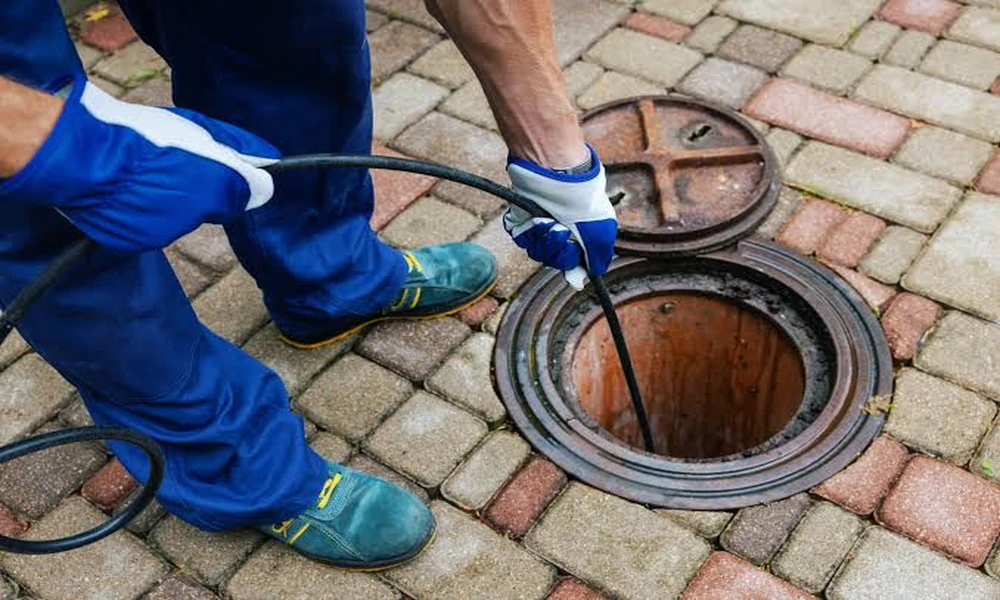
When a drain keeps clogging, most people reach for a plunger, then a snake, then a bottle of cleaner. Plumbers have another option that works differently: hydro jetting. Instead of poking a hole through a blockage, it uses pressurized water to scour the inside of the pipe. It is often described as the most thorough way to clean a drain line, but it is not right for every pipe or every problem.
This guide covers how the process works, what it removes, where it should not be used, and how to prepare. It is general information, and a licensed plumber should assess your own plumbing before any work.
How Hydro Jetting Works
A hydro jetting machine pumps water at high pressure through a flexible hose fitted with a specialized nozzle. The technician feeds the hose into the drain line through an existing access point, such as a cleanout. Jets on the nozzle do two jobs at once. Forward-facing jets break up the blockage ahead of the nozzle, and rearward-facing jets drive the nozzle forward and flush debris back out toward the opening. Side-facing jets scour the pipe walls as the nozzle passes.
Different nozzles suit different jobs. Some focus a narrow, powerful stream to cut through dense material, while others spray in a wide pattern to wash the walls. Technicians choose based on the pipe size, material, and what they expect to find.
Pressure and water volume matter as much as each other. Light residential work and heavy mainline cleaning call for different settings, and a trained technician adjusts both to the pipe in front of them.
What It Removes Well
Because the water contacts the whole inside surface of the pipe, jetting is effective against buildup that other methods only push aside.
- Grease and fat. Hardened cooking grease that coats pipe walls and traps other debris is one of the most common targets, especially in kitchen lines.
- Soap scum and sludge. The thick film that accumulates over years in bathroom and laundry lines.
- Mineral scale. Deposits that narrow a pipe gradually.
- Silt, sand, and compacted debris. Material that settles in low spots of a line.
- Tree roots. Fine and medium roots that have entered through joints can be cut and flushed out. Roots tend to regrow, so the entry point usually needs follow-up attention.
- Stubborn mainline blockages. Material that has built up over a long stretch, which a standard cable machine might only bore a narrow hole through.
How It Differs From Snaking
A drain snake or cable machine is a spinning cable with a cutting head. It is useful, but it works by making an opening in the blockage. The material along the pipe walls often stays where it is, and the new channel can narrow again as more debris collects. That is why some clogs return within weeks of a snaking.
Jetting aims to restore the pipe’s full diameter by cleaning the walls, which is why it is often recommended for recurring clogs, for lines heavy with grease, and for routine maintenance in places like restaurants. Snaking remains a sensible choice for a simple, nearby clog, and it is generally less expensive.
Where Hydro Jetting Is Not Appropriate
High-pressure water in the wrong pipe can do damage, which is why a prior inspection matters.
- Damaged or collapsed pipes. Cracks, broken sections, and badly offset joints can be made worse by pressure, and water can escape into the surrounding soil.
- Severely deteriorated materials. Some older pipe types, including certain fiber, clay, and heavily corroded metal lines, may be too fragile for aggressive pressure.
- Fragile or improperly installed lines. Poorly supported pipes, sections that have sagged, and systems with weak joints need careful evaluation first.
- Blockages made of solid objects. A toy, a section of broken pipe, or a large foreign item may need to be retrieved or removed with other tools.
- Systems with no suitable access. Jetting needs a way to enter the line, such as a cleanout. Without one, installing access may be the first job.
A good technician will not simply start jetting. They will determine what the pipe is made of, how old it is, and what condition it is in.
Why a Camera Inspection Comes First
A video inspection sends a small waterproof camera through the line before and often after cleaning. It shows what is actually causing the problem and whether the pipe can tolerate pressure. The footage can reveal root intrusion, grease buildup, cracks, offsets, sags that collect waste, and collapsed sections.
The inspection also serves as a record. A before and after comparison shows whether the cleaning worked, and it gives you evidence to review if a plumber recommends repair or replacement. The National Association of Sewer Service Companies, known as NASSCO, develops standards used across the industry for assessing the condition of underground pipelines, and it is a useful reference for understanding how inspections are classified.
What a Typical Service Visit Looks Like
- Assessment. The technician asks about symptoms, such as which fixtures are affected, how long the problem has been present, and any history of backups.
- Access. They locate or install a cleanout, which is the entry point for equipment.
- Inspection. A camera is run through the line to identify the cause and judge the pipe’s condition.
- Jetting. If the pipe is suitable, the technician selects a nozzle and pressure and cleans the line in passes, working from the cleanout toward the main sewer connection.
- Verification. A second camera pass confirms the line is clear and shows any damage the cleaning revealed.
- Recommendations. The technician explains the findings and advises on prevention, monitoring, or repairs if needed.
Many residential jobs take a few hours, but time varies with the length of the line and the severity of the buildup.
Preparing for the Appointment
A few steps help the visit go smoothly.
- Locate your cleanout, or tell the plumber if you cannot find one.
- Clear a path to it, indoors or outdoors, and secure pets.
- Avoid running water or flushing during the service.
- Move belongings away from low drains in case of splashback.
- Write down the symptoms, which fixtures are affected, and any past plumbing problems or repairs.
Keeping Lines Clear Afterward
Jetting resets the pipe, but habits decide how long it stays clean.
- Do not pour cooking grease or oil down the drain. Collect it and put it in the trash.
- Use strainers on kitchen sinks, showers, and tubs.
- Flush only toilet paper, and keep wipes and hygiene products out of the toilet, even if the packaging says flushable.
- Keep large, water-seeking trees and shrubs away from the sewer line.
- Consider periodic maintenance cleaning if your line has a history of buildup, particularly in older homes.
What Affects the Cost
Without quoting figures, which vary by region and situation, the main cost drivers are:
- The length, diameter, and accessibility of the line
- The severity and type of the blockage
- Whether a cleanout must be installed
- Whether a camera inspection is included
- Any repairs the inspection reveals
Ask for a written estimate that spells out what is included, and compare scopes rather than only totals.
Choosing a Provider
Because jetting involves high pressure and aging pipes, the technician’s judgment matters as much as the equipment. If you are looking for service locally, you could contact a company that offers hydro jetting in Alhambra to ask about inspection, cleaning methods, and whether jetting suits your plumbing. Older neighborhoods often have clay, cast iron, or other aging pipe materials, so ask any provider how they evaluate the condition of the line before they start.
Be cautious about anyone who pushes for jetting without looking at the line first, or who recommends major pipe replacement without showing you the evidence.
Key Takeaways
Hydro jetting cleans pipes by scouring them with pressurized water, which makes it effective against grease, scale, silt, and roots that simpler tools leave behind. It is best for recurring clogs, heavy buildup, and maintenance of lines in good condition, and it is not suited to cracked, collapsed, or severely deteriorated pipes. A camera inspection before the work protects both the pipe and your budget, and good habits afterward keep the results lasting. If your drains slow repeatedly, an inspection is the right first step, because it tells you whether jetting, repair, or something simpler is the answer.