

Owning a home in Metro Atlanta comes with a lot to love. The neighborhoods are beautiful, the seasons are mild, and the city has a warmth to it that keeps people rooted here for decades. It also comes with a pest environment that is more active, more varied, and more persistent than most homeowners expect when they first move in. The combination of heat, humidity, clay-rich soil, and mild winters creates conditions that support pest activity for the better part of the year, and in some cases year round.
Understanding the basics of Metro Atlanta pest control gives you a genuine advantage. You learn what to watch for, when to act, and when to call in a professional. Here is what every Metro Atlanta homeowner should know.
Why Atlanta Is Such a Challenging Pest Environment
Most of the country gets a hard frost by November that kills off or dramatically reduces insect populations. Atlanta does not work that way. Winter temperatures here are mild enough that many pests simply slow down rather than die off, and they are ready to go the moment temperatures start climbing in late February or March.
Add to that the summer heat and humidity that make Atlanta feel oppressive from June through September, and you have conditions that mosquitoes, cockroaches, termites, ants, and dozens of other pests find genuinely hospitable. The urban tree canopy that makes Atlanta one of the most forested major cities in the country is beautiful, but it also holds moisture, creates shade, and provides habitat that supports pest populations throughout the metro area.
The result is that pest control in Metro Atlanta is not a seasonal concern. It is a year round responsibility that rewards consistent attention rather than reactive treatment.
The Pests You Are Most Likely to Encounter
Atlanta homeowners deal with a fairly predictable cast of pest characters, though the timing and severity varies by season, neighborhood, and property conditions.
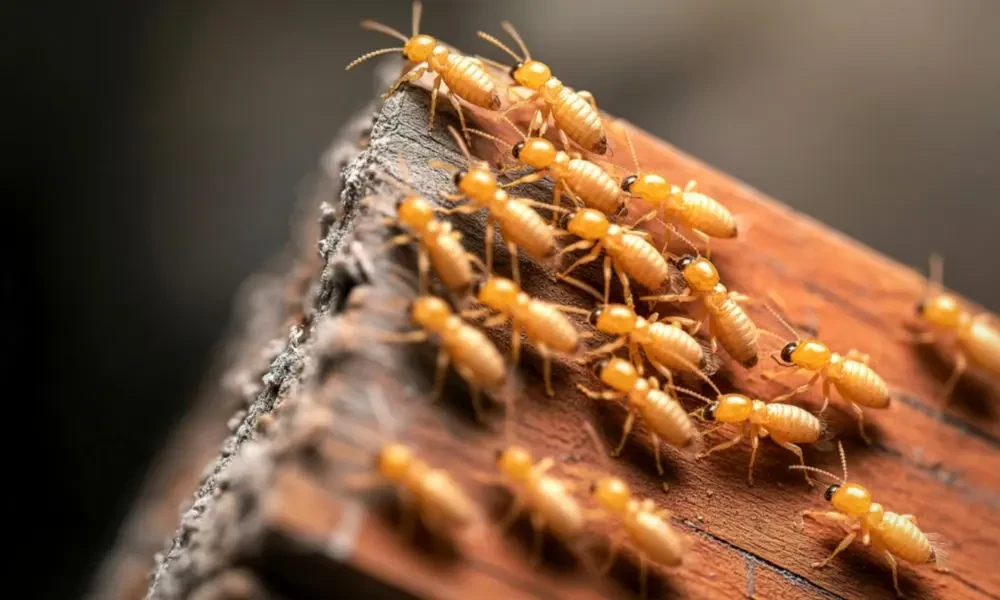
Termites are the most financially significant pest concern in the region. Subterranean termites are common throughout Georgia and Metro Atlanta sits in a high-activity zone. The clay-heavy, moisture-retaining soil around the city creates near-ideal conditions for termite colonies, which can cause serious structural damage over months and years without any visible signs until the damage is already significant. Termite swarms typically occur between March and May, and the presence of winged termites or shed wings near windows and doors is a warning sign that should prompt immediate professional inspection.
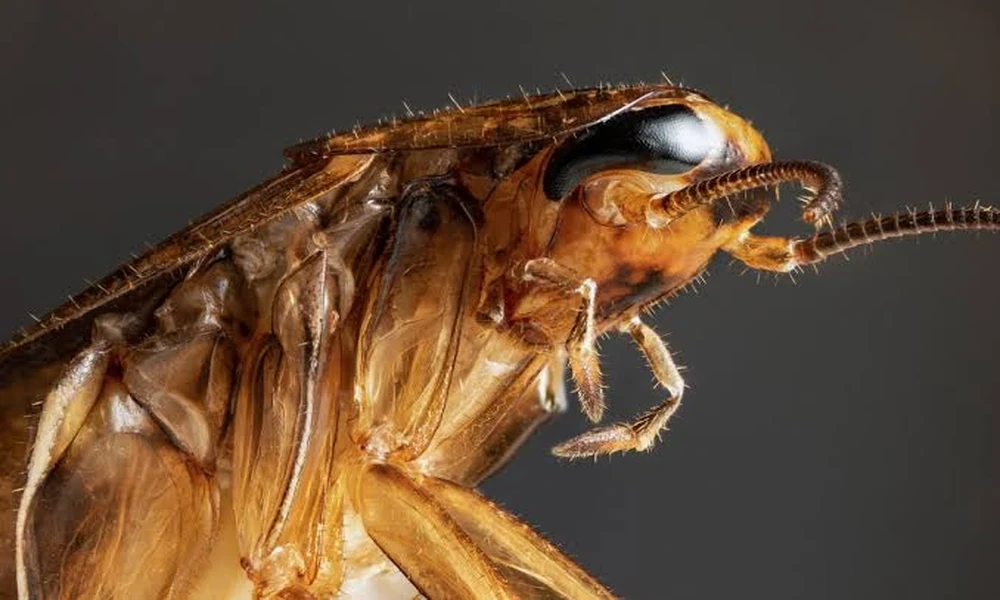
Cockroaches are a consistent presence in Atlanta homes. The large American cockroach, which locals often call a waterbug, is primarily an outdoor insect that wanders inside through gaps around pipes, drains, and entry points. The German cockroach is a different matter entirely. Smaller, lighter brown, and adapted to living indoors, German cockroaches breed rapidly in kitchens, bathrooms, and anywhere with warmth and moisture. Seeing cockroaches during daylight hours is a sign of a significant population and a prompt to call a professional.
Mosquitoes are the dominant outdoor pest from May through October. Atlanta’s frequent summer thunderstorms create standing water throughout the metro area, and the Asian Tiger Mosquito species that is extremely common in Georgia bites during the day rather than just at dawn and dusk, making outdoor time genuinely uncomfortable without prevention measures in place.
Rodents become more active from fall through winter as temperatures drop and mice and rats look for somewhere warm to shelter. Urban and suburban Atlanta homeowners alike deal with rodent pressure, particularly as neighborhoods continue to expand into previously undeveloped land.
Ants are a year round concern, with fire ants being a particular issue in yards and outdoor spaces and odorous house ants trailing indoors in large numbers after rain or in search of food.
Stinging insects including yellow jackets and wasps build nests from spring through late summer, and by August those nests can be very large. Yellow jacket colonies in Atlanta’s long warm season have months more time to grow than in northern states.
Seasonal Timing: When to Pay Attention to What
Effective pest control in Metro Atlanta follows the calendar, and knowing what to expect each season helps you stay ahead of problems rather than reacting to them.
Late winter and early spring is the time to inspect your home’s exterior and address any gaps, cracks, or worn weatherstripping before insect activity picks up. Check the perimeter of your foundation, the crawl space access and vents, utility penetrations, garage doors, and any areas where the structure may have shifted over winter.
Spring is termite swarming season and the most important time to schedule a professional termite inspection if you have not had one recently. It is also when fire ants begin rebuilding mounds and mosquito populations start climbing.
Summer is peak season for mosquitoes, stinging insects, and cockroaches. Active management of standing water on your property, regular inspection of eaves and outdoor structures for wasp nests, and attention to kitchen sanitation to discourage cockroaches all pay off during these months.
Fall is when pests start looking for winter shelter and your home becomes more attractive. This is the most important time to seal entry points around the foundation, garage, and roofline before rodents and insects move in for winter. Stink bugs and kudzu bugs also congregate on warm exterior walls in September and October and sneak inside through any gap they can find.
Winter is quieter but not pest-free. Rodents and cockroaches that made it inside are active all winter. Use the slower season to inspect your attic, crawl space, and storage areas for signs of activity.
The Most Important Prevention Habits
No pest control program is more effective than the combination of professional treatment and consistent homeowner prevention habits. The two work together, and the homes with the fewest pest problems are almost always the ones where the owners pay attention to the basics.
Seal entry points. This is the single most impactful thing a homeowner can do. Gaps around pipe penetrations, worn door sweeps, gaps under garage doors, damaged window screens, and cracks in the foundation are all entry points for rodents, cockroaches, and insects. A tube of caulk and a replacement door sweep cost a few dollars and remove entry points that pests use constantly.
Eliminate standing water. Mosquitoes breed in any stagnant water on your property, and Atlanta’s frequent rains create new opportunities after every storm. Empty flowerpot saucers, clean gutters, fix low spots in the lawn, and refresh birdbaths regularly.
Store food properly. Dry goods in cardboard or paper packaging are vulnerable to pantry pests and rodents. Transfer cereals, flour, pasta, and similar items to hard-sided sealed containers. Keep counters clean and do not leave dishes in the sink overnight.
Manage the perimeter. Dense vegetation against the foundation, wood piles stacked against the house, and deep leaf litter along fences all provide cover and harborage for pests moving toward your home. Maintaining a clear zone around the foundation removes that cover.
Address moisture. Dripping pipes, slow drains, and damp crawl spaces all attract cockroaches, termites, and rodents. Fix leaks promptly and make sure your crawl space has adequate vapor barrier coverage and ventilation.
When DIY Is Not Enough
DIY pest control works well for minor, isolated problems. There are situations, however, where calling a professional is clearly the right move.
Any suspected termite activity warrants immediate professional inspection. Termite damage is expensive to repair and professional treatment is the only reliable approach for both elimination and prevention.
Cockroach infestations beyond the occasional wandering waterbug almost always require professional treatment. German cockroaches in particular are resistant to over-the-counter products and breed faster than retail treatments can keep up with.
Rodent activity in multiple areas of the home, or activity in the attic or crawl space, benefits from professional inspection to identify entry points that a homeowner inspection may miss and to assess any damage to insulation or wiring.
Stinging insect nests in wall voids, underground, or in hard-to-reach locations should be left to a professional. The risk of a serious sting event is too high to justify DIY treatment of large or awkwardly placed nests.
And if a pest problem keeps coming back despite repeated treatment, something is being missed. A professional inspection will almost always identify the source that has been overlooked.
The Value of a Year Round Pest Control Plan
For Metro Atlanta homeowners, the most effective approach to pest control is not responding to individual problems as they appear. It is maintaining a consistent baseline of prevention and treatment through a professional service plan.
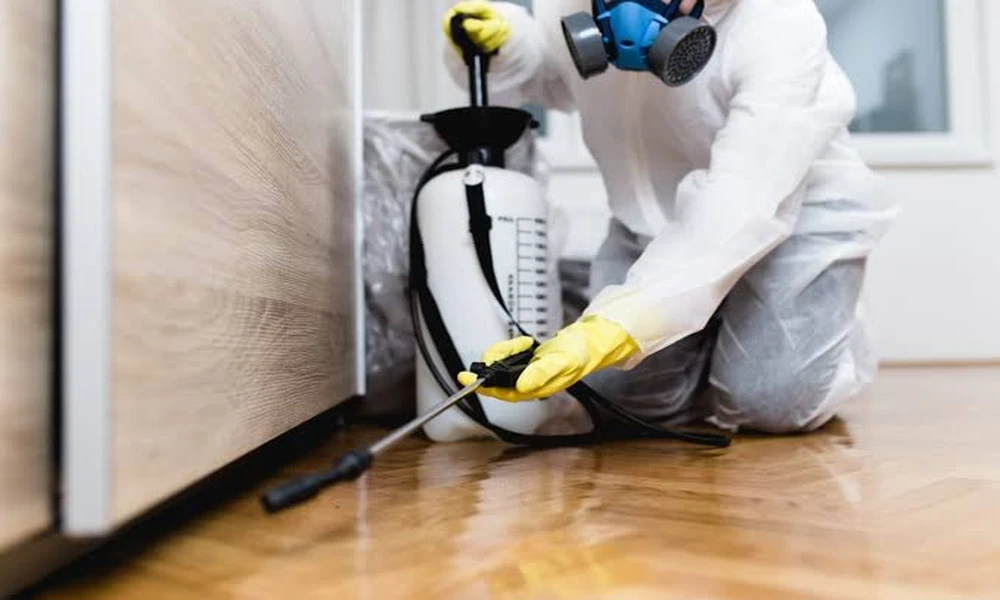
A quarterly pest control program with a licensed company provides regular exterior treatments that keep pest pressure down between visits, scheduled inspections that catch problems early, and professional oversight of your termite prevention. That ongoing protection costs a fraction of what a single termite treatment or serious infestation remediation runs, and it gives you year round confidence that your home is being looked after by someone who knows what to look for.
Atlanta’s climate means the pest environment here is genuinely more demanding than in most parts of the country. Homeowners who approach it with a consistent, proactive plan consistently come out ahead of those who wait for problems to appear before acting.
The Bottom Line
Pest control in Metro Atlanta is a year round responsibility that rewards attention to the basics: sealed entry points, controlled moisture, good sanitation habits, and consistent professional support. The pest pressures here are real and persistent, driven by a climate that gives insects, rodents, and termites every advantage they need to thrive.
Stay ahead of the calendar, address conditions that attract pests before pests show up, and do not hesitate to call a professional when the situation calls for it. A home that is actively managed for pests is a more comfortable, safer, and more valuable home in one of the best cities in the country to own one.