


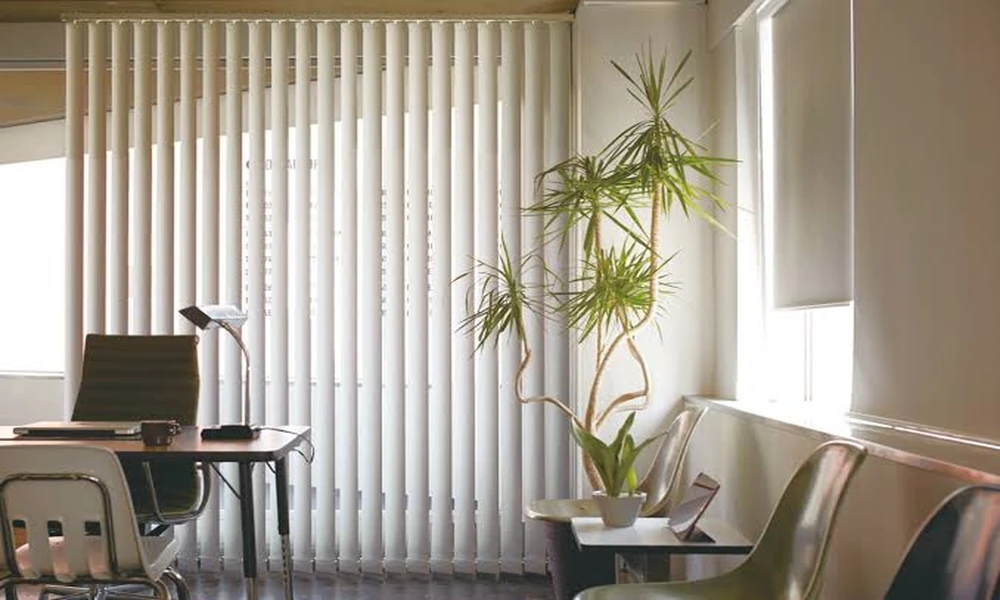
There are windows where appearance leads the decision and windows where survival does. A kitchen above a hob, a bathroom with no ventilation to speak of, a service yard, a rental unit turning over every two years. In those places timber warps, fabric grows mould and aluminium dents, which is why pvc venetian blinds singapore properties fit are so often the sensible answer rather than the compromise they are assumed to be.
Why the Material Suits This Climate
PVC does not absorb water, does not swell, does not host mould in the way fabric does, and does not corrode. In a country with year-round humidity and bathrooms that stay damp for hours, those properties matter more than they would elsewhere. A PVC slat left in a steamy shower room week after week is unchanged; a timber slat in the same position discolours, cups and eventually delaminates. This is the whole argument for the material and it is a strong one.
Cleaning Is the Practical Advantage
Kitchen windows accumulate a film of cooking oil that binds airborne dust into something a duster will not shift. PVC tolerates a damp cloth with detergent, and stubborn residue can be cleaned properly without damaging the slat. Timber cannot be wiped wet, and fabric coverings in a kitchen become a replacement item rather than a cleaning task. For anyone cooking with a wok several times a week, this alone decides the material.
What You Give Up
Honesty about the trade-offs is worth more than a list of benefits. PVC slats look like what they are, and next to real timber the difference is visible, particularly in wider slat widths where grain printing is used. PVC is heavier than aluminium, so a wide blind becomes weighty to raise and puts more load on the mechanism. And in sustained direct sun, cheaper PVC can become brittle or discolour over years, so slat quality matters if the window faces west.
Slat Width and Proportion
Narrow slats around 25 millimetres suit small windows, bathrooms and service areas, giving a fine appearance and a modest stack. Wider slats of 50 millimetres suit larger openings, present fewer lines across the glass and allow more view when open, though the added weight is noticeable in PVC. Match the width to the opening: a wide slat in a small bathroom window looks clumsy, and a narrow slat across a large kitchen window looks busy and doubles the cleaning.
Faux Wood as the Middle Ground
Between plain PVC and real timber sits faux wood, typically a PVC or composite slat moulded and finished to resemble timber grain. It carries the moisture tolerance of plastic with an appearance considerably closer to wood, at a price between the two. For a kitchen or bathroom in a home where the rest of the flat uses timber blinds, this is usually the right specification, since it keeps the visual language consistent without putting real wood somewhere it will fail.
Where They Work Best
Kitchens, bathrooms, utility and service areas, laundry yards, and any window regularly exposed to splashing or steam. Also rental properties, where durability and easy replacement matter more than material authenticity, and where a damaged slat can be swapped without redoing the blind. Suppliers offering venetian blinds in Singapore will usually recommend aluminium or timber elsewhere in the home and reserve PVC for exactly these rooms.
Measuring and Mounting
Inside the reveal looks neat, preserves the sill and leaves small light gaps at the sides. Outside mount covers those gaps and projects into the room, which in a small bathroom may matter. Measure width at three heights and height at three points, since openings in older flats are rarely square, and use the smallest width for an inside mount. In wet areas, check that the fixing points are into something that will not deteriorate, and avoid mounting where water runs directly onto the headrail.
Mechanism Quality Decides Lifespan
The slats rarely fail; the mechanism does. Look at the tilt rod and wand, the cord lock, and the ladder tapes or cords carrying the slats. Cheaper blinds use thinner ladder cords that fray where they pass through the slat holes, and lightweight tilt mechanisms that develop play. Because PVC is heavier than aluminium, these components work harder, so a blind that feels flimsy when demonstrated in a showroom will not improve once it is carrying its own weight at a window.
Cost Over the Life of the Window
PVC sits at the lower end of the venetian range on purchase price, below aluminium in some widths and well below timber, and the running cost is what makes the case rather than the sticker. A timber blind in a wet room may need replacing within a few years; a PVC one in the same position is still serviceable. Individual slats can usually be replaced if one is damaged, which keeps a blind in service after the sort of accident that would otherwise mean a new unit. For landlords and anyone furnishing several properties, that replaceability is often the deciding factor.
Choosing Sensibly
Identify which windows are genuinely wet or greasy and specify PVC or faux wood there rather than across the whole home. Match slat width to opening size. Check mechanism quality and ladder cords rather than judging on slat finish. Specify cordless or wand operation where children are in the home. Applied to the rooms that need them, pvc venetian blinds singapore homes install are one of the few window coverings that look the same after five years of steam, oil and daily use.