

Have you ever asked yourself why the cost of building materials changes from time to time, even when the project looks simple?
It’s something many people notice when they start planning a house or any construction work. The truth is, many simple and positive factors work together to shape the price of materials.
When you understand these factors, it becomes easier to plan your budget and make smart choices without stress.
Availability Of Raw Materials
The first thing that affects the cost of building materials is how easily raw materials are available. Materials like sand, cement, steel, and wood all come from natural or processed sources. When these resources are easily available, prices usually stay stable and comfortable for buyers.
Natural Supply And Resource Access
When there is good access to forests, mines, or natural deposits, materials can be produced smoothly. This helps keep costs balanced and predictable. Many regions focus on maintaining a steady supply, which helps builders plan their projects without sudden surprises.
Seasonal Production Benefits
Some materials depend on seasonal production, and during active production times, supply increases. This leads to better pricing and smoother availability. Builders often plan their purchases during such periods to get better value.
Transportation And Logistics
Transportation plays a big role in how much you pay for building materials. Moving materials from factories to construction sites involves fuel, vehicles, and manpower. When logistics are well-managed, the cost stays reasonable and efficient.
Distance From Source
If materials are sourced closer to the construction site, transportation becomes easier and more affordable. Local sourcing is often preferred because it reduces travel time and supports nearby suppliers.
Efficient Delivery Systems
Modern construction benefits from improved delivery systems. With better roads, organized supply chains, and smart planning, materials reach sites faster. This helps reduce extra costs and keeps projects running smoothly.
Demand In The Construction Market
Demand is another key factor that shapes material costs. When more people are building homes or commercial spaces, the demand for materials increases. This creates a healthy market flow and keeps production active.
Growing Urban Development
Cities are growing, and more construction projects are happening. This steady demand encourages manufacturers to increase production, which helps maintain a balanced supply and pricing structure.
Planned Construction Projects
When projects are planned, suppliers can prepare better. This leads to a stable demand cycle, which helps in maintaining consistent material costs without sudden changes.
Quality And Material Standards
The quality of building materials also influences the cost. Higher quality materials often come with better strength, durability, and finish. People choose materials based on their needs, and this choice affects pricing.
Premium Quality Choices
Some builders prefer premium materials for long-lasting results. These materials are made with extra care and advanced processes, which can slightly increase the cost but also provide better performance.
Standard Grade Materials
Standard materials are also widely used and offer good strength for most projects. They are budget-friendly and suitable for everyday construction needs, making them a popular choice among homeowners.
Technology And Manufacturing Process
Technology has made a positive impact on construction materials. Modern machines and techniques help produce materials faster and more efficiently. This improves consistency and helps manage costs better.
Advanced Production Methods
With updated machinery, manufacturers can produce materials in large quantities without compromising quality. This reduces wastage and improves overall efficiency, which benefits both suppliers and buyers.
Smart Construction Solutions
Innovations like prefabricated materials and ready-mix concrete have made construction faster and easier. These solutions help save time and reduce labor effort, which indirectly supports cost management.
Government Policies And Support
Government policies also play a role in shaping material costs. Positive policies, infrastructure development, and support for industries help maintain a smooth supply of materials.
Infrastructure Development
When governments invest in roads, transport systems, and industrial areas, it becomes easier to move materials. This reduces delays and keeps costs under control.
Industry Support Programs
Support programs for manufacturers encourage steady production. This helps maintain a consistent supply of materials, which is beneficial for builders and buyers alike.
Labor And Workforce Efficiency
The workforce involved in producing and handling materials also influences the cost. Skilled workers ensure better quality and faster production, which helps in maintaining balanced pricing.
Skilled Workforce Contribution
Experienced workers bring efficiency to the process. They handle materials carefully and reduce wastage, which helps keep costs stable.
Improved Working Conditions
Better working environments and organized systems help workers perform efficiently. This leads to smoother operations and supports cost-friendly production.
Market Trends And Buyer Preferences
Buyer preferences also influence the cost of materials. When people choose specific styles, finishes, or eco-friendly options, it shapes the market demand.
Preference For Modern Designs
Modern construction often focuses on stylish and practical materials. This encourages manufacturers to produce updated materials that meet current needs while keeping pricing reasonable.
Eco-Friendly Material Choices
Many people now prefer sustainable materials. These materials are produced with care for the environment and are becoming more common. As production increases, costs become more manageable over time.
Planning And Budget Awareness
One of the most helpful ways to manage material costs is through proper planning. When you plan your construction carefully, you can make better decisions and avoid unnecessary expenses.
Smart Budget Planning
Planning your budget in advance allows you to choose the right materials at the right time. It helps you balance quality and cost without feeling pressured.
Cost Estimation Practices
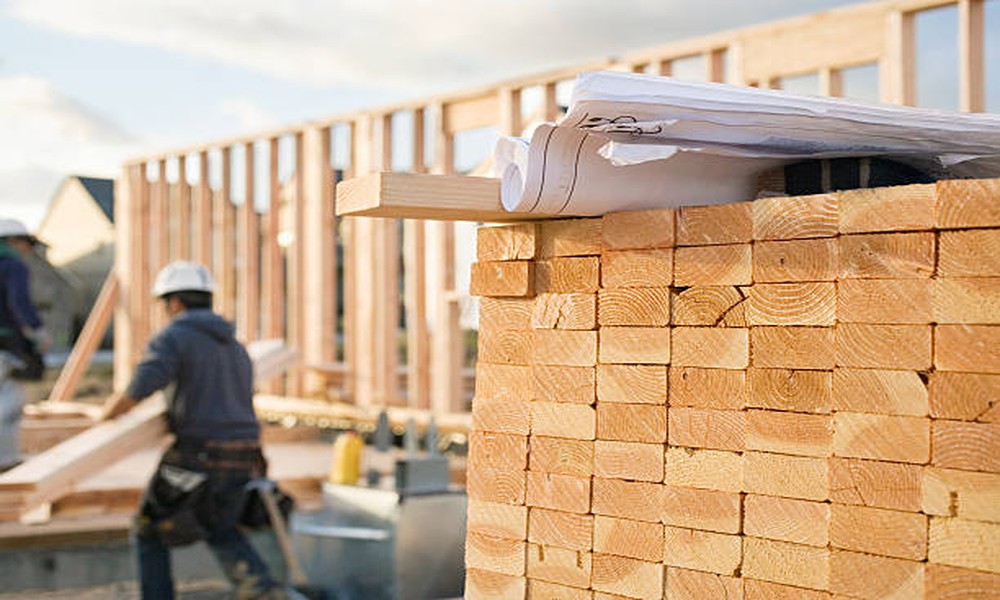
Many builders and homeowners take time to estimate lumber costs and other material expenses before starting a project. This simple step helps in understanding the total budget and avoids confusion later.
Local Market Conditions
Local conditions also play a role in determining material costs. Each area has its own supply chain, demand level, and availability of resources.
Regional Supply Chains
Some regions have strong local suppliers, which makes materials easily accessible. This helps keep prices stable and convenient for buyers.
Community-Based Sourcing
Local sourcing supports nearby businesses and reduces transportation needs. This creates a positive cycle where both suppliers and buyers benefit.
Weather And Environmental Conditions
Weather conditions can also influence the cost of materials in a positive way. Good weather supports smooth production, transportation, and construction activities.
Favorable Climate Impact
When weather conditions are stable, production and delivery processes run without delays. This helps maintain steady pricing and availability.
Construction-Friendly Seasons
Certain seasons are ideal for construction work. During these times, materials are used efficiently, and projects move forward without interruptions.
Final Thoughts
Understanding what influences the cost of building materials helps you feel more confident when planning any construction project. From raw material availability to transportation, technology, and smart planning, every factor works together in a positive way.
When you stay informed and plan wisely, you can manage your budget smoothly and make choices that suit your needs without any stress.