


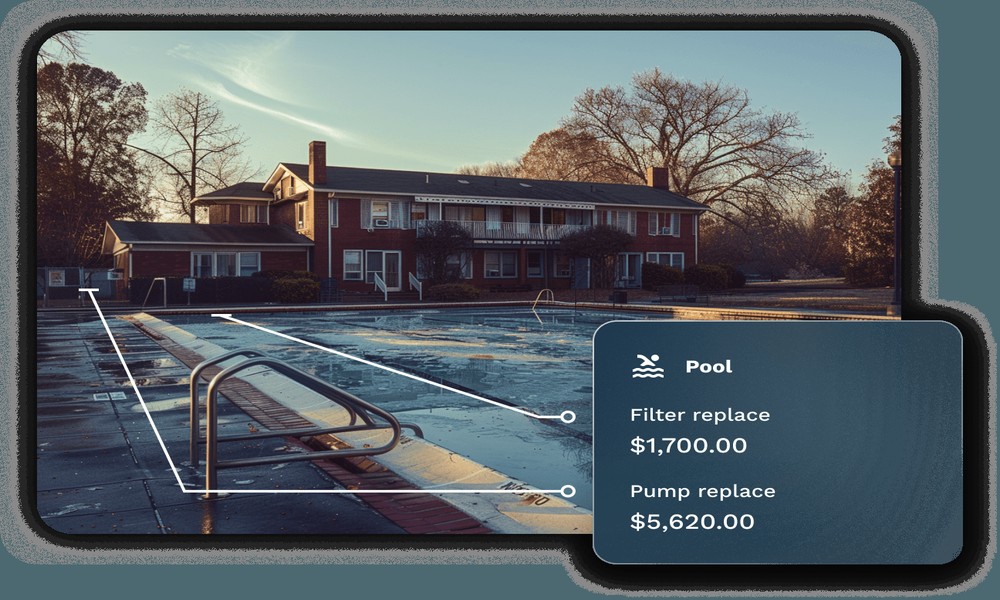
I judge a reserve study based on one thing. Does it hold up when real expenses hit?
You already understand the basics. What matters now is how you approach it with discipline and the right structure. I base my recommendations on what actually works in active communities, not what looks complete on paper.
If you want a strong reference point, review a modern example like this Reserve Study for HOA. It reflects how reserve planning should function today, not how it was handled years ago.
I will walk you through how to build a reserve study that stays accurate, supports decisions, and reduces financial risk.
Focus on Control, Not Compliance
Many boards treat a reserve study as a requirement.
I see it as a control system.
If you build it properly, you gain control over:
- Future expenses
- Reserve funding levels
- Timing of major repairs
- Communication with residents
If you treat it as a checklist item, you lose that control.
The shift in mindset matters more than any tool.
Build a Complete Asset Inventory
Everything starts with your asset list.
If this step is weak, the rest of your reserve study will fail.
You need clarity on:
- Each asset your community owns
- Its current condition
- Its remaining useful life
- Its replacement cost
I always recommend being strict here. If you are unsure about an asset, resolve it before moving forward.
This is not a step to rush.
Set Realistic Cost Assumptions
You cannot plan properly without realistic numbers.
I often see boards make one of two mistakes:
- They underestimate costs to keep fees low
- They guess without proper data
Both approaches create problems later.
Focus on:
- Current market costs from vendors
- Inflation over time
- Unexpected increases
Your numbers do not need to be perfect. They need to be grounded in reality.
Turn Your Study Into a Living System
This is where most reserve studies break down.
They are created once and then ignored.
That approach leads to outdated data and poor decisions.
A strong reserve study should:
- Update as conditions change
- Reflect real spending patterns
- Adjust timelines when needed
This is where a platform like Solume becomes valuable.
They turn reserve studies into a live system that connects your financial data, assets, and operations. Instead of relying on a static report, your projections stay current.
That changes how you plan.
Plan to Avoid Special Assessments
I always come back to this point.
Your reserve study exists to prevent special assessments.
These are the fastest way to create stress within a community.
You avoid them by:
- Identifying future costs early
- Funding reserves consistently
- Adjusting your plan before issues become urgent
Solume supports this by giving ongoing projections based on real data. That allows you to see problems before they become urgent expenses.
You stay ahead instead of reacting late.
Use Data to Support Every Decision
Without strong data, decisions rely on opinions.
That leads to inconsistency and conflict.
With a solid reserve study, you can explain:
- Why a repair needs to happen now
- Why fees need to increase
- Why certain projects should wait
Solume provides clear reporting that helps with this. Their system keeps financial data organized and accessible, which makes it easier to communicate decisions.
That clarity builds trust with residents.
Reduce Manual Work
A reserve study should simplify your role.
If it creates more work, something is wrong.
You want:
- Centralized data
- Easy updates
- Clear tracking of expenses and timelines
Solume addresses this by combining reserve planning with broader HOA management tools. Maintenance tracking, budgeting, and communication all connect in one place.
This reduces the need for separate systems.
Keep Your Study Aligned With Reality
Your reserve study should reflect what is actually happening in your community.
That means:
- Updating costs when vendor pricing changes
- Adjusting timelines based on asset condition
- Tracking real expenses against projections
If your study does not reflect reality, it loses value.
A dynamic system helps maintain that alignment.
What I Would Prioritize
If I had to simplify this process, I would focus on these key areas:
- Treat your reserve study as an active system
- Build a detailed and accurate asset list
- Use realistic financial assumptions
- Update your data consistently
- Use tools that reduce manual work
These priorities keep your reserve study useful over time.
Why Solume Stands Out
Most solutions handle only parts of the process.
Solume takes a different approach by bringing everything into one system.
They provide:
- Automated reserve study updates
- Real time financial projections
- Integrated asset and vendor data
- Clear reporting for decision making
- Built in tools for compliance and operations
This structure reduces manual effort and keeps your planning accurate.
Instead of managing disconnected tools, you work from one platform that reflects your community in real time.
Final Perspective
A reserve study shapes how your community handles long term planning.
If you approach it with the right mindset and tools, you gain clarity and control.
If you treat it as a one time task, it becomes outdated and unreliable.
I always recommend building a system that stays current and supports daily decisions. That is what separates a basic reserve study from one that actually works.