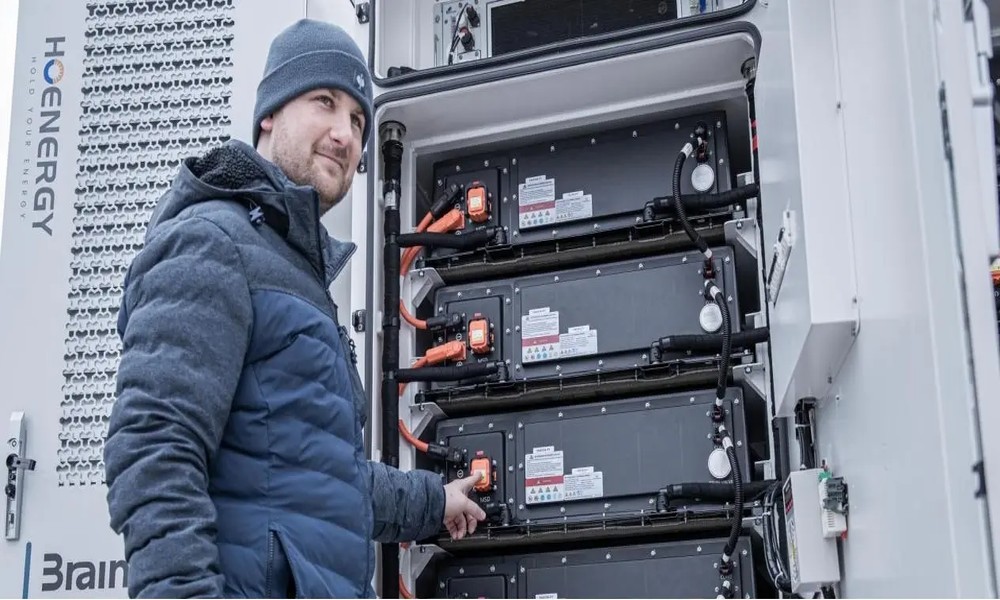



An energy management system (EMS) is a set of tools that combines both software and hardware to effectively distribute energy flows between connected distributed energy resources (DERs). Energy management systems are critical to companies to optimise the use of electricity. For construction companies that use site generator hire and are looking for ways to implement this into their energy management system, it can become a fantastic way to optimise electricity consumption and to lower costs. Construction sites pose many challenges, and reliable power at a time when there is a need to lower carbon emissions is a problem that has a solution.
How does an energy management system work?
An EMS functions by collecting data in real time, analysing it and dynamically controlling energy flows based on the results. It is the most effective way to manage and control energy use in a busy and challenging environment such as a construction site. Monitoring energy use intelligently and using the latest, most accurate live data helps you to control different energy assets within the site for optimum use.
What are the benefits of EMS for businesses?
There are several benefits to implementing an energy management system for your construction business. This includes the following:
Greater transparency
An effective EMS provides your construction site with real-time data, monitoring, analysis, and KPI measurement. This helps you to visualise energy consumption and where you can tweak your approach to make key cost savings without harming productivity on site.
Lower your costs
The ability to optimise each individual asset in terms of its electrical use ensures that you have greater control over your costs. This means utilising hybrid site generator hire and renewable energy wherever possible, drawing from power grids during cheap periods, and ensuring all power is optimally used within your system, site, and grid infrastructure.
Forward-thinking approach
The future is now. For construction, looking ahead to digitisation and decarbonisation of your sites and projects helps to give you a competitive advantage in an energy landscape that continues to evolve. Utilising renewable energy sources in your everyday use makes a massive difference in creating clean energy projects and being at the forefront of the change the industry needs.
Lower carbon emissions
An effective energy management system can reduce carbon emissions by as much as 70%. It enables accurate demand response, curtailing energy use when possible at peak hours, decreasing the need for fossil fuels. Utilising battery generators and solar powered generators as part of the overall system helps to reduce carbon emissions in construction even further.
For any companies and industries where site generator hire is a necessity, implementing it into a working formula for a site is vital. Site generator hire and other power provisions must fit within a working energy management system (EMS). This ensures that all energy flows and electrical use on site is fully optimised to boost performance, maintain reliability, and cut costs. Lowering emissions and raising standards is possible for modern and future businesses, and with the correct approach to EMS, your construction site can utilise an energy management system that produces results.