


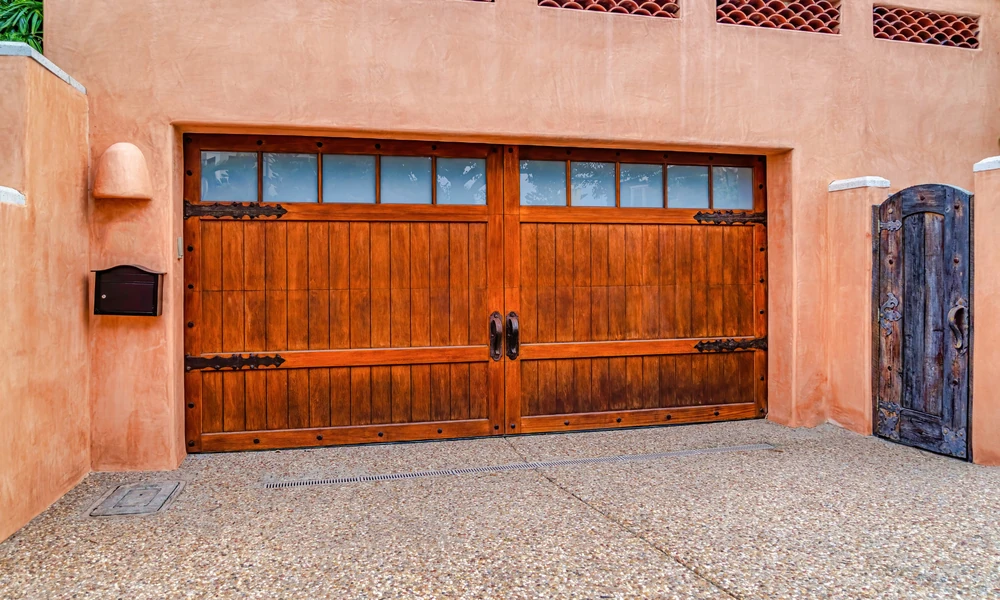
A garage door is more than a barrier for your car; it’s a statement piece that can elevate curb appeal, secure your home, and even help save on energy bills. Whether you lean toward contemporary or classic, picking the perfect combination of style and materials demands a smart, informed approach.
What Are the Key Styles Available for Custom Garage Doors?
The right garage door style can transform your home’s exterior. Traditional designs, often featuring raised or recessed panels, exude timeless charm and work well with Colonial, Cape Cod, or Victorian architecture. In contrast, contemporary doors offer clean lines, minimal hardware, and sometimes striking combinations of glass and metal, ideal for modern or mid-century facades.
Beyond the overall design, panel patterns (like carriage house crossbeams or flush panels) and window options create custom looks. Adding windows in unique shapes or patterns can brighten an entryway and provide a visual focal point.
A carefully chosen door style doesn’t just look good. It can increase property value and leave a memorable impression on visitors and potential buyers alike.
Which Materials Are Best for Different Needs?
Material choice is just as important as style, affecting durability, maintenance, and the door’s performance over time.
Steel: Durability and Security Benefits
Steel remains a popular pick for its strength and modern appearance. It resists dents and warping, provides solid security, and can be finished in countless paint colors or even wood-look overlays.
Wood: Classic Look and Customization Options
Nothing matches the warmth and depth of real wood. Whether you prefer cedar, redwood, or hemlock, wood garage doors can be tailored with custom stains and intricate designs but require regular upkeep to protect against weather.
Aluminum and Glass: Modern Aesthetic and Light Transmission
Aluminum frames paired with glass panels create a striking, light-filled entrance. These doors are light, resistant to rust, and ideal for those chasing a sleek, contemporary look. Frosted or tinted glass can balance privacy with style.
Composite and Vinyl: Low Maintenance Alternatives
Composite materials, often engineered from recycled wood fibers and resins, offer the appearance of real wood with less maintenance. Vinyl doors excel in humid or coastal climates, resisting dents, insects, and corrosion.
How Do Climate and Environment Influence Material Choice?
Your environment should guide material decisions. Steel and aluminum excel in harsh climates due to their resistance to temperature swings and corrosion. For homes in coastal regions, aluminum or vinyl outperform wood, which can swell or rot from excess moisture.
Insulation matters too, especially in Canada’s varied climate. Well-insulated doors keep garages warmer in winter and cooler in summer, which can reduce energy bills and protect stored items.
What Are the Pros and Cons of Each Material?
A straightforward comparison can help clarify your options:
| Material | Upfront Cost | Maintenance | Lifespan | Insulation | Noise Control |
|————|————-|————-|————–|————|————–|
| Steel | $$ | Low | 15-20 years | High | Good |
| Wood | $$$ | High | 10-15 years | Moderate | Excellent |
| Aluminum | $$ | Low | 15-20 years | Low | Fair |
| Composite | $$$ | Moderate | 20+ years | High | Good |
| Vinyl | $$$ | Low | 20+ years | Moderate | Good |
Steel and composite doors often win on low maintenance and longevity, while wood will demand more attention but rewards with striking looks and superior noise dampening.
How to Match Garage Door Style and Material With Your Home’s Architecture?
Selecting a door isn’t just about personal taste. Consider your home’s façade. A Craftsman-style house shines with carriage-style doors, while a modern home pops with glass and aluminum. Colors and finishes should harmonize or purposely contrast with your siding, trim, and roof.
Textures add depth, choose smooth, ribbed, or woodgrain surfaces to reflect your chosen aesthetic. The goal is a door that feels intentional and elevates your property’s overall design language.
What Features Should You Consider for Custom Garage Doors?
Smart features now go hand-in-hand with great looks. Look for high R-value insulation for energy savings, especially in cold climates. Enhanced locking mechanisms and reinforced panels boost security. Many homeowners now opt for Wi-Fi-enabled openers that can be controlled from smartphones, adding convenience and peace of mind.
How to Assess Quality and Warranty When Choosing Materials?
A reputable manufacturer’s warranty is a mark of quality. Longer warranties often signal robust construction and premium materials. It pays to inspect the door’s hardware, finish, and panel thickness.
Enlisting a seasoned installer like Door Doctor ensures the product is fitted to exacting standards, which is crucial for smooth operation and a longer lifespan.
What Are the Steps to Customizing and Installing Your Garage Door?
Start by clarifying your priorities: do you value aesthetics, security, or insulation most? Browse design centers and consult with experts to visualize color, material, and hardware options. Once selected, expect a precise installation process, typically taking less than a day.
After installation, regular cleaning, lubrication, and seasonal inspection will keep your custom garage door operating smoothly for years to come.
Choosing the right style and materials is an investment in your home’s appearance, security, and energy efficiency. With careful planning and the right expert input, your garage door can become one of your property’s most outstanding features.


