

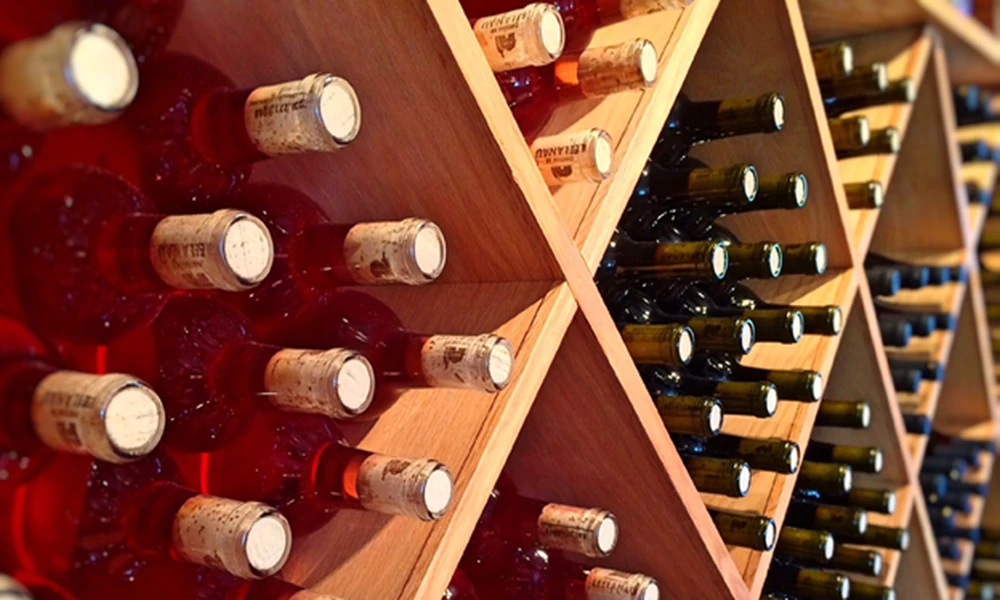
For centuries, the traditional wine cellar was a predictable entity: a dark, damp, subterranean cave lined with heavy redwood racks, hidden away from sight. The prevailing wisdom dictated that to keep wine safe, it had to be kept in the dark. While the core science of wine preservation hasn’t changed, architectural technology has evolved dramatically.
Today, wine storage has stepped out of the basement and into the architectural spotlight. By leveraging state-of-the-art structural glass and advanced LED lighting, contemporary designers have turned wine collections into stunning, illuminated focal points on the main floors of luxury homes. No longer just utility spaces, modern wine displays operate as high-end interactive art installations.
Here are five ways glass and LED lighting are completely revolutionizing modern wine displays.
1. High-Performance Thermal Glazing Eliminates Visual Barriers
The biggest hurdle to putting wine on display in main living areas has always been temperature control. Standard glass allows heat to transfer easily, which forces cooling systems to work overtime and ruins vintages.
Modern wine displays overcome this challenge through the use of double- or triple-paned insulated glass units (IGUs) filled with inert argon gas. This high-performance thermal glazing creates an invisible, airtight barrier that maintains a perfect 55°F environment inside the display, regardless of how warm the adjacent kitchen or dining room gets. Furthermore, these glass panels are treated with specialized anti-reflective and UV-filtering coatings, allowing collectors to showcase their labels in crystal-clear high definition without risking UV damage.
2. Low-Heat LED Technology Safely Illuminates Fine Vintages
In the past, illuminating a wine collection was a recipe for disaster. Incandescent and halogen bulbs emit high levels of heat and ultraviolet radiation, which can prematurely age wine and cause “lightstruck” flavors.
The widespread adoption of low-voltage LED lighting has completely solved this problem. High-quality LEDs produce virtually no heat and emit zero ultraviolet rays, meaning they can be placed mere inches from rare bottles without compromising the liquid inside. Collectors can now safely flood their wine displays with light, highlighting the rich colors of the bottles and reading fine print on labels with absolute peace of mind.
3. Dynamic Smart Control and Circadian Tuning
Modern wine displays are no longer restricted to a simple on/off switch. Integrated with advanced home automation systems, contemporary wine displays utilize RGBW (Red, Green, Blue, White) LED systems that offer unlimited aesthetic flexibility.
Homeowners can program their wine walls to adapt to different times of day or social occasions. For example, a display can cast a bright, crisp white light during the day to highlight the cleanliness of the architecture, shift to a warm, low-amber glow during a dinner party, and transition into a soft, dramatic blue nightlight late at night. This dynamic tuning ensures the display seamlessly matches the shifting mood of the entire home.
4. The Floating Illusion via Backlighting and Minimalist Hardware
The combination of clear glass and strategic LED placement allows designers to pull off incredible optical illusions. Instead of heavy wooden cubbies that swallow light, modern displays rely on minimalist metal pegs, acrylic rods, or vertical cable systems.
By installing hidden LED strip lights along the back vertical channels or behind a frosted glass backpanel, architects can project light through the bottles from behind. This eliminates harsh front shadows and makes the bottles appear as though they are levitating in a glowing matrix of light. The focus remains entirely on the wine collection itself, rather than the furniture holding it.
5. Transitioning Storage into Living Space “Wine Walls”
Because glass and LEDs allow wine to be stored safely in any room, the entire footprint of residential wine storage has shifted. Wine displays are frequently integrated as double-sided room dividers between kitchens and living rooms, or built directly into entryways as an immediate statement of hospitality.
These “wine walls” take up mere inches of floor depth compared to traditional walk-in cellars, making luxury wine display design accessible even in sleek urban apartments or compact modern homes where subterranean basements are simply not an option.
The evolution of the modern wine display proves that you no longer have to sacrifice style to protect a valuable collection. However, executing a seamless glass-and-light showcase requires a meticulous understanding of vapor barriers, thermal bridging, and specialized refrigeration engineering to prevent condensation issues.
When you are ready to elevate your home with a striking architectural statement piece, collaborating with an expert is essential. Searching for highly qualified wine cellar builders near me will connect you with experienced local specialists who possess the unique blend of construction intelligence and design foresight needed to build an elite, museum-quality sanctuary for your collection.