


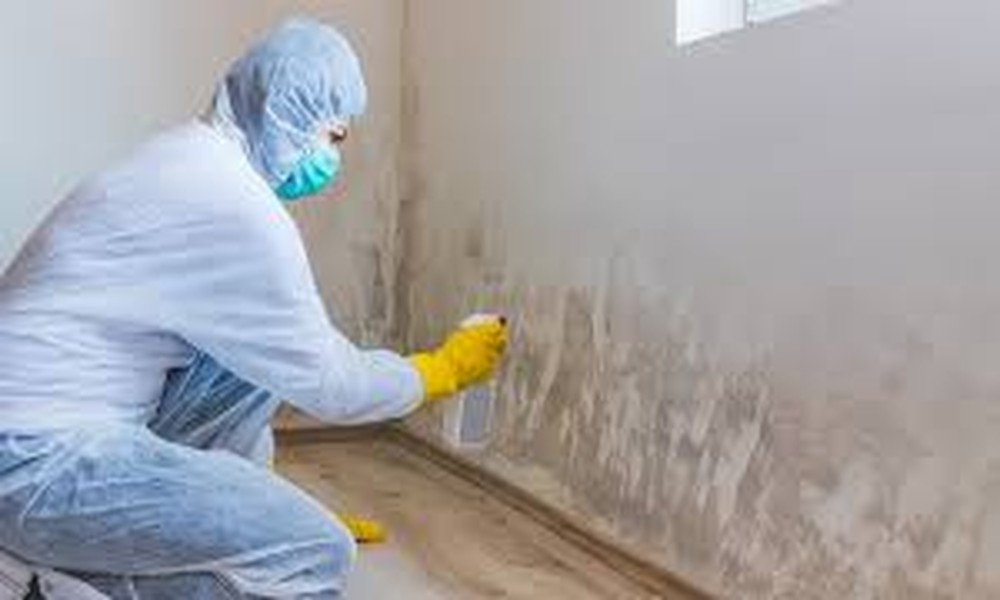
If your Atlanta home has a crawl space, there’s a decent chance something’s growing down there right now—and you’d never know it. Crawl space mold is one of the most overlooked home problems in Georgia, mostly because nobody actually goes down there to look. But ignoring it doesn’t make it go away. It makes it spread.
If you suspect mold in your crawl space, relief-remediation.com can help you understand your remediation options and take the right steps to address the problem before it gets worse.
Why Atlanta Crawl Spaces Are a Mold Magnet
Georgia’s climate is practically a recipe for crawl space mold. Hot summers, high humidity, and frequent heavy rain create the kind of persistent moisture that mold loves. Atlanta sits at a point where warm air from the south collides with cooler air from the north – meaning the region gets more than its fair share of rain, fog, and condensation year-round.
Crawl spaces naturally trap humid air. Without proper encapsulation or ventilation, that moisture settles on wood joists, insulation, and the ground itself. Add in occasional plumbing leaks or groundwater seepage, and you have conditions where mold can establish itself within 24 to 48 hours of a moisture event.
Older Atlanta homes – built before modern building codes required vapor barriers – are especially vulnerable. But even newer construction isn’t immune if the crawl space wasn’t properly sealed during the build.
Signs You Might Have a Crawl Space Mold Problem
You don’t need to crawl under your house to spot the warning signs. Many of them show up inside your home first:
- Musty smell that seems to come from the floors or lower walls, especially in the morning
- Allergy symptoms that get worse at home but improve when you leave
- Warped or squeaky flooring – wood absorbs moisture and swells before mold becomes visible
- Higher-than-normal humidity indoors even with AC running
- Visible dark staining on floor joists if you do look under the house
- Increased pest activity – cockroaches and rodents are attracted to damp, dark spaces
If you notice two or more of these at once, it’s worth scheduling an inspection before the problem gets worse.
The Real Cost of Leaving Crawl Space Mold Untreated
Here’s what most homeowners don’t understand: crawl space mold doesn’t stay in the crawl space. Your home breathes. Air moves upward from the crawl space through gaps in the flooring and into your living areas – a phenomenon known as the stack effect. That means mold spores, mycotoxins, and musty air from below end up circulating through your entire home.
Structurally, mold eats at wood. Over time, contaminated floor joists weaken, insulation loses its R-value, and what started as a moisture problem becomes a structural repair job. In Atlanta’s real estate market, an untreated crawl space mold issue can cost you tens of thousands of dollars in property value and derail a home sale entirely.
What Professional Crawl Space Mold Removal Actually Involves
This is not a job for a bottle of bleach and a face mask. Proper crawl space mold removal Atlanta professionals follow a systematic process that addresses both the mold and the root cause:
- Full crawl space inspection – moisture readings, mold sampling, assessment of insulation and wood condition
- Containment setup – prevents spores from spreading into the home during removal
- Mold remediation – affected wood is treated with EPA-registered antimicrobial agents; severely damaged materials are removed and replaced
- Crawl space encapsulation – a thick vapor barrier is installed across the ground and sealed against walls to block ground moisture permanently
- Ventilation or dehumidification – a crawl space dehumidifier or improved venting keeps humidity levels below 55%, where mold can’t survive
- Post-remediation testing – air quality sampling confirms the space is clean before the job is signed off
The encapsulation step is what separates a permanent fix from a temporary one. Without it, mold returns.
Encapsulation vs. Venting: What Works Best in Atlanta?
There’s been debate in the home improvement world about whether crawl spaces should be vented or sealed. In Atlanta’s climate, the answer is clear: sealed and encapsulated.
Vented crawl spaces made sense in drier climates. In Atlanta, opening vents just invites humid outdoor air into the space – the opposite of what you want. A sealed crawl space with a vapor barrier and a dedicated dehumidifier is the current best practice recommended by building scientists and the EPA for humid southeastern climates.
How to Find a Qualified Contractor in Atlanta
Not every contractor who offers crawl space work is qualified to handle mold. When evaluating companies, look for:
- IICRC certification in mold remediation
- Written estimates that include both remediation and moisture control
- References from Atlanta-area homeowners – local experience with Georgia’s climate matters
- Post-remediation air testing included or recommended as a separate step
Choosing the right professional for crawl space mold removal Atlanta means getting someone who understands that fixing the mold without fixing the moisture is just a temporary solution.
Prevention: What You Can Do Right Now
If you haven’t had a problem yet, here’s how to keep it that way:
- Check your crawl space at least once a year – ideally after heavy rain season
- Make sure gutters and downspouts direct water away from the foundation
- Ensure your crawl space has a vapor barrier in good condition
- Keep an eye on indoor humidity – invest in a hygrometer if you don’t have one
- Have HVAC ducts in the crawl space inspected for leaks annually