

Buying furniture in Miami is not the same as buying furniture anywhere else. The city’s climate, housing styles, and fast-paced lifestyle all influence what works-and what doesn’t. From high-rise condos and apartments to family homes and investment properties, Miami buyers need furniture that balances durability, comfort, style, and value.
This practical guide is designed to help you buy furniture in Miami with confidence, avoid common mistakes, and make choices that suit both your home and long-term needs.
Step 1: Understand Miami’s Unique Furniture Challenges
Miami’s environment plays a major role in furniture performance. Heat, humidity, and coastal air can damage furniture that isn’t designed for South Florida conditions. Materials that work well in cooler climates may warp, fade, or deteriorate quickly in Miami homes.
Before buying furniture, it’s essential to consider:
- Moisture resistance
- Fabric durability
- Sunlight exposure
- Ventilation and airflow
Furniture that accounts for these factors lasts longer and requires less maintenance over time.
Step 2: Measure Everything Before You Shop
One of the most common furniture-buying mistakes in Miami is skipping measurements. Condos and apartments often have tight layouts, narrow hallways, and elevator restrictions. Even single-family homes can present challenges with doorways and staircases.
Always measure:
- Room dimensions
- Doorways and hallways
- Elevator interiors (if applicable)
- Ceiling height
Accurate measurements help you avoid costly delivery issues and returns.
Step 3: Prioritize Function Over Trends
While Miami is known for stylish interiors, practicality should always come first. Trendy furniture may look great in photos but fail to support everyday living.
Ask yourself:
- How often will this piece be used?
- Who will use it (kids, pets, guests)?
- Is it easy to clean and maintain?
Choosing functional furniture first allows you to layer in style through décor rather than replacing major pieces frequently.
Step 4: Choose Materials That Handle Miami’s Climate
Material selection is one of the most important parts of buying furniture in Miami. Certain materials perform far better than others in warm, humid environments.
Smart material choices include:
- Treated or engineered wood
- Performance fabrics
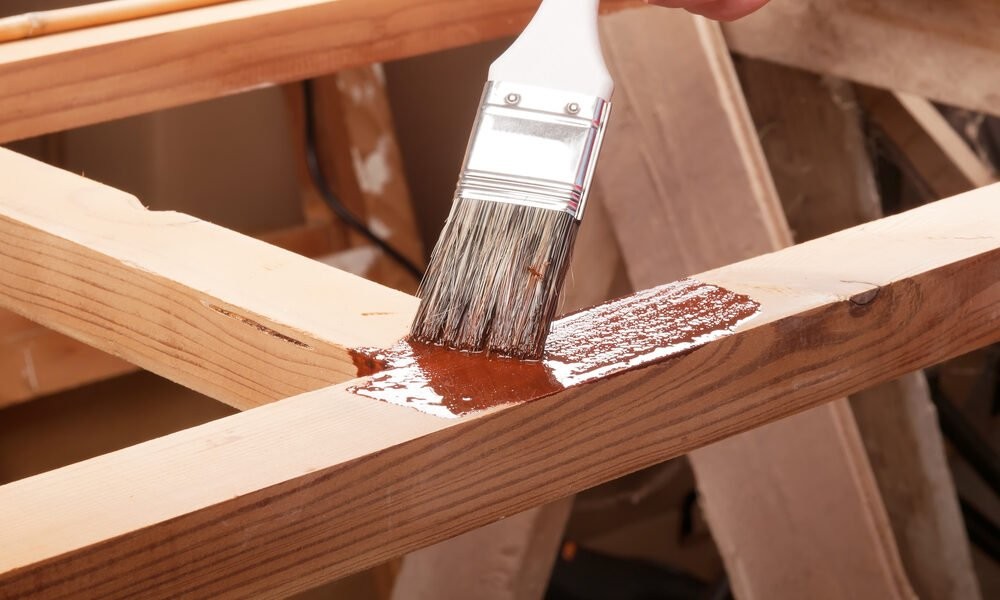
- Moisture-resistant finishes
- Fade-resistant upholstery
Avoid delicate woods, untreated finishes, and fabrics that trap moisture, especially in homes with large windows or coastal exposure.
Step 5: Decide What to Invest In-and What to Save On
Not all furniture deserves the same budget priority. High-use items should receive more investment, while accent pieces can be more budget-friendly.
Typically worth investing in:
- Sofas and sectionals
- Mattresses and beds
- Dining tables
Areas where you can save:
- Side tables
- Accent chairs
- Decorative pieces
This balanced approach helps you stay within budget without sacrificing comfort or durability.
Step 6: Consider Space and Scale Carefully
Oversized furniture is a common issue in Miami homes, especially condos and apartments. Furniture that’s too large can make rooms feel cramped and reduce functionality.
Look for:
- Apartment-scale sofas
- Slim-profile dining tables
- Modular furniture
- Multifunctional pieces
Proper scale improves flow, comfort, and visual balance.
Step 7: Think About Delivery and Building Rules
Delivery logistics are a major factor when you buy furniture in Miami. Many buildings have strict delivery windows, elevator reservations, and HOA requirements.
Before purchasing, confirm:
- Delivery timelines
- Building access rules
- Assembly services
- Potential extra fees
Planning ahead prevents delays, rescheduling, and unexpected costs.
Step 8: Test Furniture in Person When Possible
While online shopping is convenient, testing furniture in person offers major advantages. Comfort, support, and construction quality are difficult to judge from photos alone.
When visiting a showroom:
- Sit on sofas and chairs
- Test mattress support
- Open drawers and cabinets
- Feel upholstery textures
Hands-on testing reduces the risk of buyer’s remorse.
Step 9: Ask the Right Questions
Informed buyers ask questions-and don’t rush decisions. Good questions reveal quality, longevity, and value.
Important questions include:
- What materials are used?
- Is there a warranty?
- How should this be maintained?
- Is it suitable for Miami’s climate?
Stores that answer clearly and honestly are more likely to deliver long-term satisfaction.
Step 10: Avoid Sales Pressure and Gimmicks
Constant “sales” and limited-time offers can pressure buyers into rushed decisions. Many large retailers inflate prices only to mark them down later.
Focus on value, not urgency. Take time to compare quality, delivery speed, and service-not just discounts.
Smart buyers choose furniture based on fit and performance, not marketing tactics.
Step 11: Shop Locally for Better Results
Local furniture stores understand Miami’s homes, climate, and logistics far better than national chains. They offer inventory suited for local living, faster delivery, and more personalized service.
Shopping locally helps you:
- Avoid climate-related mistakes
- Get better delivery coordination
- Receive honest guidance
This local expertise is especially valuable for first-time buyers or newcomers to Miami.
Step 12: Furnish Gradually When Possible
You don’t need to furnish your entire home at once. Many buyers make better decisions by starting with essentials and adding pieces over time.
Living in the space first helps you understand how you use each room, leading to smarter furniture choices and fewer regrets.
Final Thoughts: Buying Furniture in Miami Doesn’t Have to Be Complicated
When done right, buying furniture in Miami can be a smooth and rewarding experience. By planning ahead, choosing climate-appropriate materials, and focusing on function and value, you can create a home that’s comfortable, stylish, and built to last.
Using this guide to buy furniture in Miami helps you avoid common mistakes and make confident decisions that suit both your lifestyle and environment. Smart furniture buying isn’t about spending more-it’s about choosing wisely.